18-Month-Old Not Waving Goodbye: What It Means and What to Do

In short: Waving goodbye is a social-communication milestone typically emerging around 9-12 months, but some children develop it later. If your 18-month-old isn't waving, it doesn't automatically mean a problem, but it's worth discussing with your pediatrician. Early intervention, including ABA therapy, can help build communication skills. Start with ABA is a free service that connects families with vetted, BCBA-led providers to support your child's development.
Key takeaways
- Waving goodbye is a social-communication milestone that usually appears between 9-12 months, but some children develop it later.
- Not waving at 18 months can be a typical variation, but it may also be an early sign of autism or other developmental delays.
- Discuss any missed milestones with your pediatrician; early intervention is key and often covered by insurance and Medicaid.
- ABA therapy, led by a BCBA, can help teach social-communication skills like waving in a supportive, play-based way.
Find your child's ABA provider
About 60 seconds · free & confidential
- ✓ Vetted, BCBA-led providers
- ✓ In-home, center & telehealth
- ✓ No obligation, ever
Understanding the Waving Goodbye Milestone
Waving goodbye is a social-communication milestone that typically emerges between 9 and 12 months of age. It involves a child imitating or initiating a gesture to say farewell, often accompanied by eye contact or a smile. This gesture is one of many early signs that a child is developing joint attention-the ability to share focus with another person on an object or event. Joint attention is a foundational skill for later language and social development.
However, child development is not a strict timeline. Some children wave earlier, some later. By 18 months, most children are waving, but a delay does not automatically mean a problem. It's important to look at the whole picture: Does your child use other gestures like pointing, reaching, or shaking their head? Do they respond to their name? Are they interested in interacting with others? These clues help determine if the lack of waving is an isolated delay or part of a broader pattern.
🔗 Related reading: Texas Parent's Checklist for Starting ABA Therapy · Local ABA Therapy
Possible Reasons an 18-Month-Old Isn't Waving
Typical Variation in Development
Every child develops at their own pace. Some children focus on motor skills like walking or climbing before social gestures. If your child is meeting other milestones-like using a few words, pointing, or imitating actions-the lack of waving may simply be a temporary lag. Many children catch up without intervention.
Early Signs of Autism Spectrum Disorder (ASD)
One of the early red flags for autism is a delay or absence of social-communication gestures like waving, pointing, or showing objects. Other signs at 18 months may include limited eye contact, not responding to their name, reduced interest in other children, repetitive movements, or unusual play patterns. If you notice several of these signs, it's worth discussing with your pediatrician. Early identification leads to earlier support, which can significantly improve outcomes.
Other Developmental Delays
Delays in waving can also be linked to other conditions, such as a language delay, motor planning difficulties (apraxia), or hearing problems. A child who doesn't understand the social meaning of waving may not attempt it. A comprehensive evaluation can help identify the root cause.
Looking for ABA therapy for your child? We match families with vetted, BCBA-led providers near you.
Get matched freeWhen to Seek Help: Red Flags and Next Steps
If your 18-month-old isn't waving, consider these factors:
- No other gestures: If your child doesn't point, reach, or shake their head, this is more concerning.
- Limited eye contact: Does your child look at you when you speak or play?
- Not responding to name: By 12 months, most children turn when called.
- Loss of skills: If your child previously waved but stopped, this is a red flag.
- No words: By 18 months, many children say a few words; a lack of spoken language may be related.
If you have any concerns, talk to your pediatrician. They may refer you to early intervention services, which are available in every state. For example, in California, the Early Start program provides evaluations and therapies for children under 3. In Texas, Early Childhood Intervention (ECI) offers similar support. These services are often free or low-cost and can include speech therapy, occupational therapy, and developmental therapy.

🔗 Related reading: ABA Therapy Without Parental Involvement: Key Facts · Local ABA Therapy
How ABA Therapy Can Help Build Communication Skills
Applied Behavior Analysis (ABA) therapy is a evidence-based approach that can help children develop social-communication skills, including gestures like waving. A Board Certified Behavior Analyst (BCBA) designs a personalized plan that breaks down skills into small, teachable steps. For waving, this might involve:
- Modeling the gesture during play and daily routines.
- Using positive reinforcement when the child attempts or imitates the wave.
- Practicing in natural settings, like saying goodbye to a parent leaving for work.
- Pairing the gesture with a verbal cue like 'bye-bye' to build language.
ABA is most effective when started early. Many insurance plans, including Medicaid, cover ABA therapy for children diagnosed with autism or showing developmental delays. The cost can vary, but with insurance, families often pay little to nothing out-of-pocket. Start with ABA is a free service that helps you find vetted, BCBA-led providers in your area who accept your insurance.
Practical Tips for Encouraging Waving at Home
You can support your child's development with simple, playful activities:
- Model waving: Wave and say 'bye-bye' every time you leave a room or end a video call.
- Use hand-over-hand guidance: Gently help your child make a waving motion while saying the word.
- Make it fun: Sing songs like 'The Wheels on the Bus' that involve hand motions.
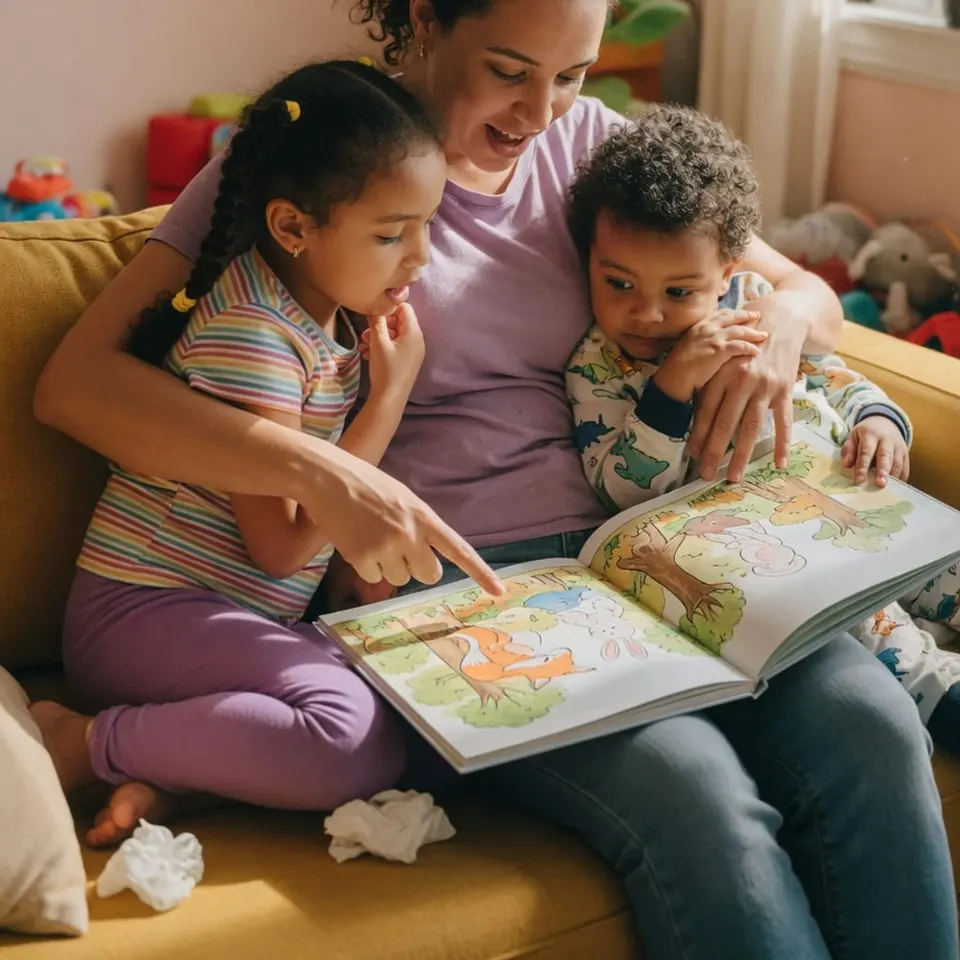
- Read books: Choose board books with pictures of people waving or saying hello/goodbye.
- Be patient: Avoid pressure; keep it positive and celebrate any attempt.
If your child doesn't respond to these strategies after a few weeks, it's a good idea to seek professional guidance.
Common Mistakes Parents Make (And How to Avoid Them)
Waiting Too Long to Seek Help
Many parents are told 'they'll grow out of it' or 'every child is different.' While that's sometimes true, waiting can delay access to early intervention. If you're concerned, trust your instincts. An evaluation can provide peace of mind or open the door to helpful services.
Comparing Your Child to Others
It's natural to compare, but every child develops uniquely. Focus on your child's individual progress and milestones rather than what a neighbor's child is doing.
Overlooking Other Signs
Waving is just one piece of the puzzle. Pay attention to your child's overall communication, social engagement, and play skills. A comprehensive view is more informative than a single behavior.
Getting Matched with a BCBA-Led Provider Through Start with ABA
If you're ready to explore ABA therapy, Start with ABA makes the process simple. We are a free matching service that connects families with vetted, BCBA-led providers in their area. You don't pay us anything-our service is funded by the providers. We help you find options that accept your insurance, including Medicaid, and we can answer questions about coverage and wait times. To get started, visit our website and fill out a brief form. We'll match you with providers who specialize in early intervention and can support your child's communication development.
Frequently Asked Questions
We've answered common questions below to help you feel more informed.