2-Year-Old Not Pointing: How ABA Therapy Can Help

In short: Pointing is a key social-communication milestone that typically emerges around 12-18 months. If your 2-year-old isn't pointing, it may indicate a delay, and ABA therapy can help by breaking down the skill into small steps using positive reinforcement. Start with ABA is a free service that matches families with vetted, BCBA-led providers who can create a personalized plan, often covered by insurance or Medicaid.
Key takeaways
- Pointing usually develops between 12-18 months; absence by age 2 may warrant evaluation.
- ABA therapy uses play-based methods to teach pointing as a functional communication skill.
- Early intervention with ABA can improve social, language, and cognitive outcomes.
- ABA is often covered by insurance and Medicaid; Start with ABA helps find in-network providers.
Find your child's ABA provider
About 60 seconds · free & confidential
- ✓ Vetted, BCBA-led providers
- ✓ In-home, center & telehealth
- ✓ No obligation, ever
Why Pointing Matters for Your 2-Year-Old
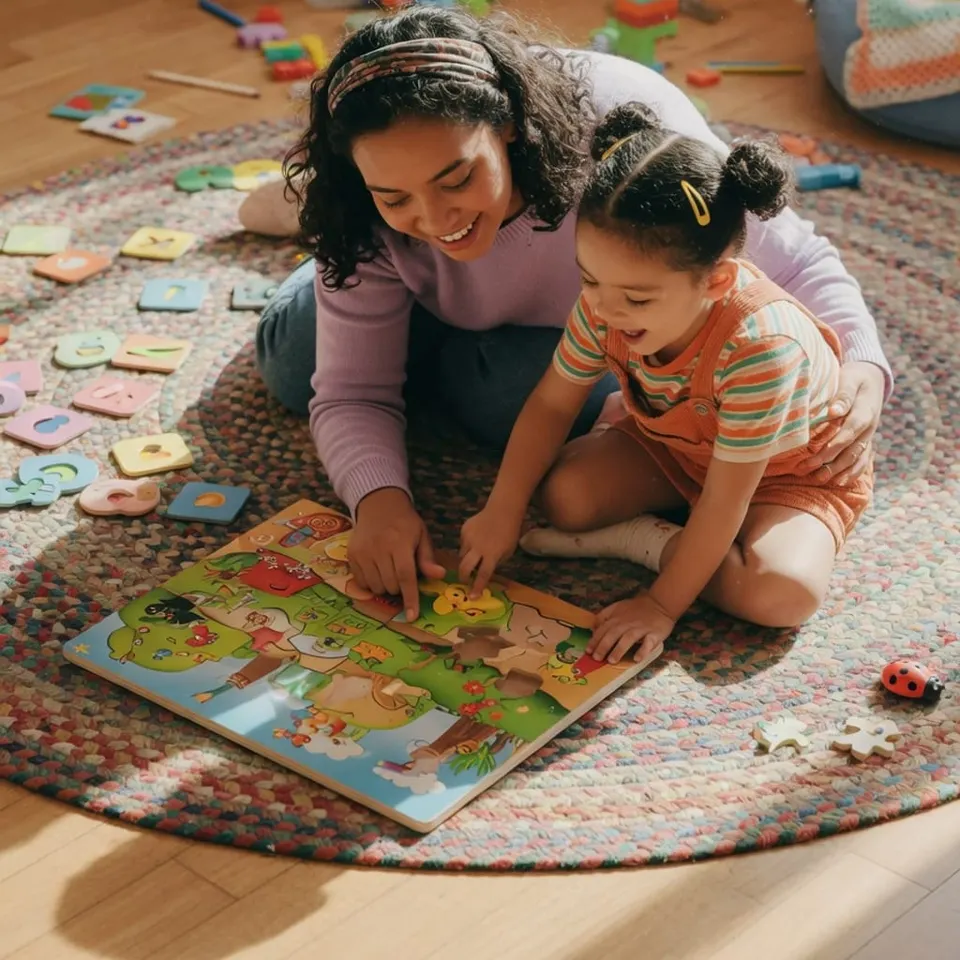
Pointing is one of the earliest forms of intentional communication. Around 12 to 18 months, most children begin pointing to show interest, request something, or share an experience with a caregiver. When a 2-year-old isn't pointing, it can be a red flag for a communication delay, often associated with autism spectrum disorder (ASD) or other developmental conditions. However, it's important to remember that every child develops at their own pace, and not pointing alone doesn't confirm a diagnosis.
Pointing serves several critical functions: it helps children direct attention, ask for help, and engage in joint attention-the ability to share focus on an object or event with another person. Joint attention is a foundational skill for later language and social development. If your child isn't pointing by age 2, it's worth discussing with your pediatrician and considering an evaluation for early intervention services.
🔗 Related reading: Free & Low-Cost Autism Services in CA · Local ABA Therapy
What Is ABA Therapy and How Does It Help?
Applied Behavior Analysis (ABA) therapy is a scientifically validated approach that focuses on understanding and improving socially significant behaviors. For a 2-year-old who isn't pointing, ABA can break down the skill into small, teachable steps. A Board Certified Behavior Analyst (BCBA) will assess your child's current communication abilities and design a personalized plan using positive reinforcement to encourage pointing.
Key ABA Techniques for Teaching Pointing
- Shaping: Reinforcing any attempt to reach or gesture toward an object, gradually refining it into a clear point.
- Prompting: Using physical, verbal, or visual cues to guide the child's hand or finger into a pointing motion, then fading prompts as the child becomes independent.
- Natural Environment Teaching (NET): Incorporating pointing practice into everyday play and routines, like pointing to a favorite toy or snack.
- Discrete Trial Training (DTT): Structured, repeated practice where the child is asked to point to a picture or object, with immediate reinforcement for correct responses.
ABA is not about forcing compliance; it's about building motivation and making communication rewarding. Sessions are typically play-based and child-led, especially for toddlers.
Looking for ABA therapy for your child? We match families with vetted, BCBA-led providers near you.
Get matched freeWhen to Seek Help: Signs Beyond Not Pointing
While not pointing is a common concern, it often occurs alongside other developmental differences. Look for these additional signs that may indicate a need for evaluation:
- Limited or no eye contact
- Not responding to their name by 12 months
- Lack of babbling or gesturing (waving, reaching) by 12 months
- No single words by 16 months
- Loss of previously acquired language or social skills
- Repetitive movements or unusual play patterns
If you notice any of these, talk to your pediatrician about a developmental screening. Early intervention services, including ABA, are most effective when started early.
🔗 Related reading: ABA vs OT for Sensory Issues: Key Differences · Local ABA Therapy
What to Expect from ABA Therapy for a 2-Year-Old
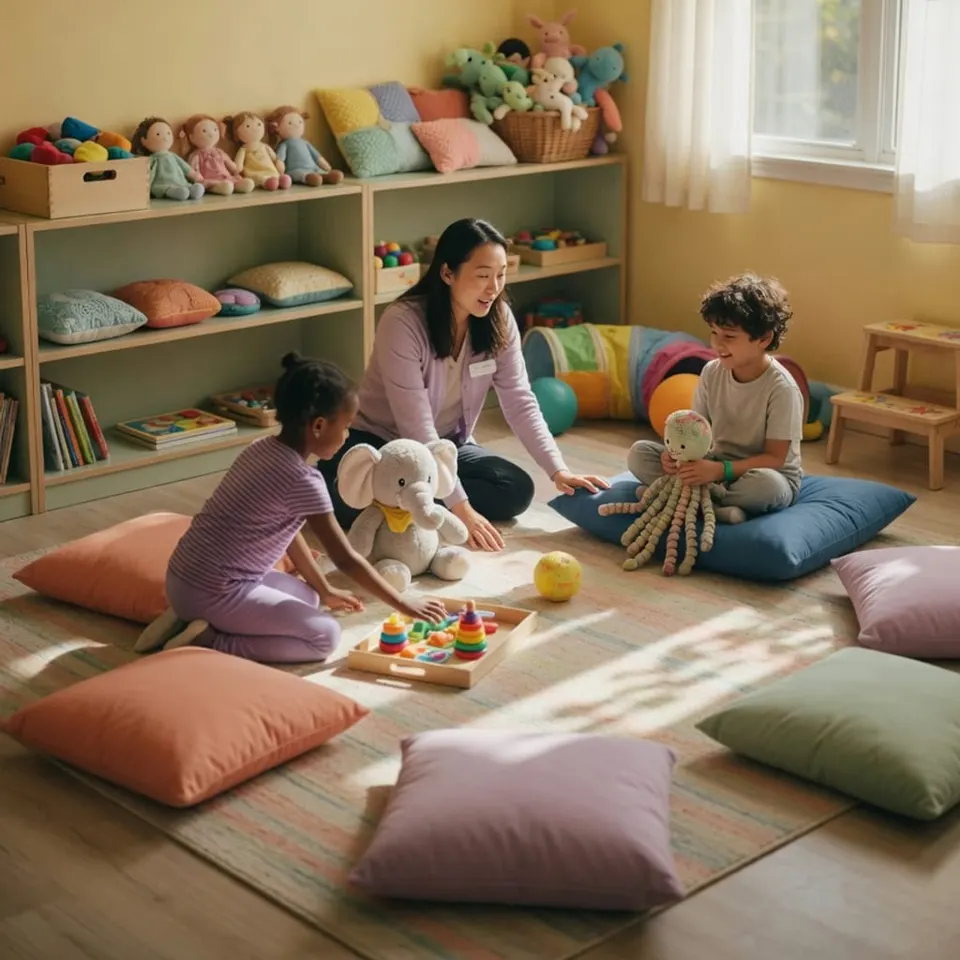
ABA therapy for toddlers is highly individualized and family-centered. Here's a typical process:
Initial Assessment
A BCBA will conduct a functional behavior assessment (FBA) to understand your child's strengths, challenges, and motivations. They'll observe your child in natural settings and interview you about daily routines.
Goal Setting
Goals are written in measurable terms. For pointing, a goal might be: 'Child will point to a desired item within 5 seconds of a verbal prompt, across 3 different settings, with 80% accuracy over 5 consecutive sessions.'
Therapy Sessions
Sessions often take place in-home, at a clinic, or in a community setting. A registered behavior technician (RBT) works directly with your child under BCBA supervision. Sessions are short (1-3 hours) and include frequent breaks for play.
Parent Training
You'll learn strategies to encourage pointing throughout the day-during meals, bath time, or reading books. Consistency across environments speeds up progress.
Costs, Insurance, and Medicaid Coverage
ABA therapy can be expensive without coverage, but most insurance plans-including Medicaid-cover ABA for autism diagnoses. Many states mandate coverage through private insurers. Start with ABA is a free service that helps families find vetted, BCBA-led providers who accept your insurance or Medicaid. We match you with clinics that have availability, so you don't waste time calling around.
If your child doesn't have an autism diagnosis yet, early intervention programs (like Part C in many states) may provide free or low-cost evaluations and services. ABA can also be covered under a diagnosis of developmental delay in some cases.
Practical Tips for Encouraging Pointing at Home
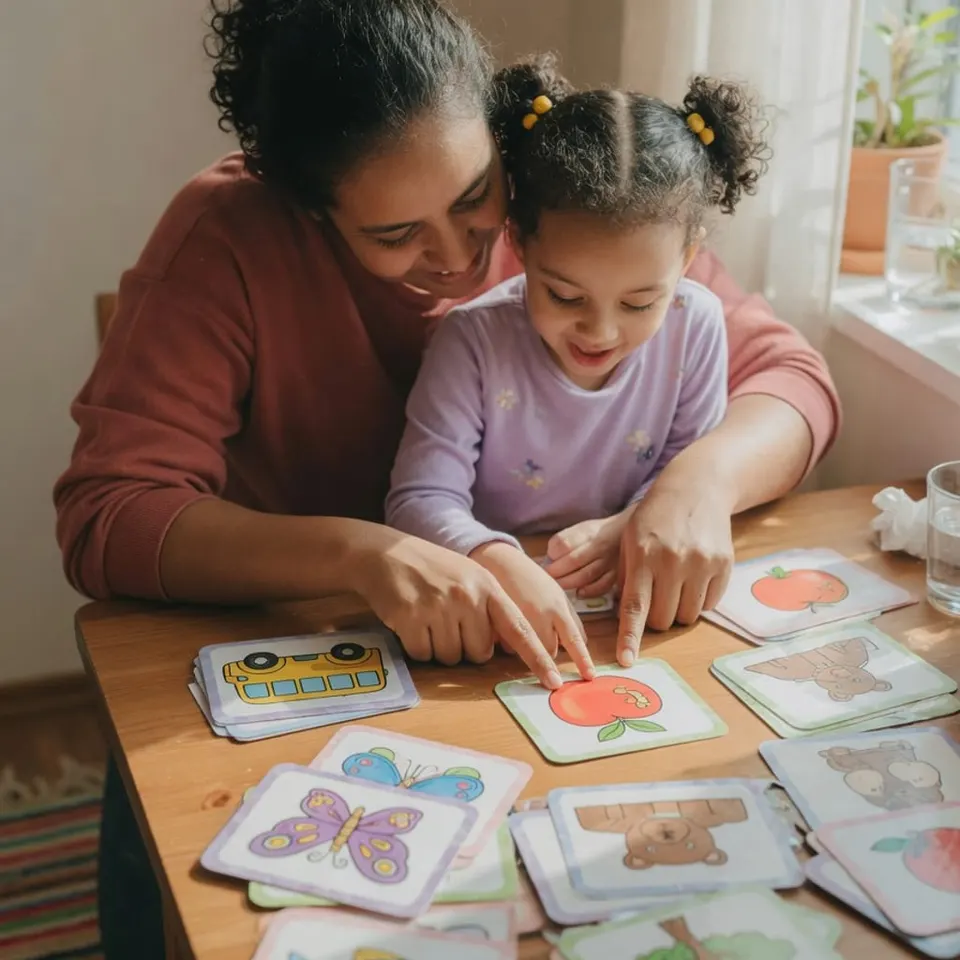
While waiting for or alongside ABA therapy, you can try these evidence-informed strategies:
- Model pointing: Point to objects yourself and say, 'Look!' or 'I see a dog!'
- Use high-interest items: Place a favorite toy or snack just out of reach and wait for your child to gesture toward it.
- Create opportunities: During book reading, ask 'Where's the ball?' and point to the picture. Pause for your child to imitate.
- Reinforce any attempt: If your child reaches or looks toward an object, immediately give it to them and say, 'You wanted that! Good pointing!'
- Reduce pressure: Keep it fun and brief. Forced practice can lead to frustration.
Common Mistakes to Avoid
Parents often worry about doing the 'right' thing. Here are pitfalls to sidestep:
- Waiting too long: Early intervention is key. Don't adopt a 'wait and see' approach if you're concerned.
- Over-prompting: If you always guide your child's hand, they may become dependent on physical help. Fade prompts gradually.
- Ignoring other forms of communication: If your child uses gestures, sounds, or eye contact, build on those rather than focusing only on pointing.
- Comparing to peers: Every child develops differently. Focus on your child's progress, not milestones charts.
How Start with ABA Can Help
Navigating the world of ABA therapy can feel overwhelming. Start with ABA simplifies the process by connecting you with vetted, BCBA-led providers in your area. Our service is completely free-we're not a clinic, but a matching service. We'll ask about your child's needs, your insurance, and your preferences, then provide a shortlist of providers who have availability. Many families find a match within days.
Whether your child has an autism diagnosis or you're just starting the evaluation process, we're here to support you. Reach out today to get matched with a provider who can help your 2-year-old develop pointing and other essential communication skills.