ABA vs Speech Therapy for a 3 Year Old: What Parents Need to Know
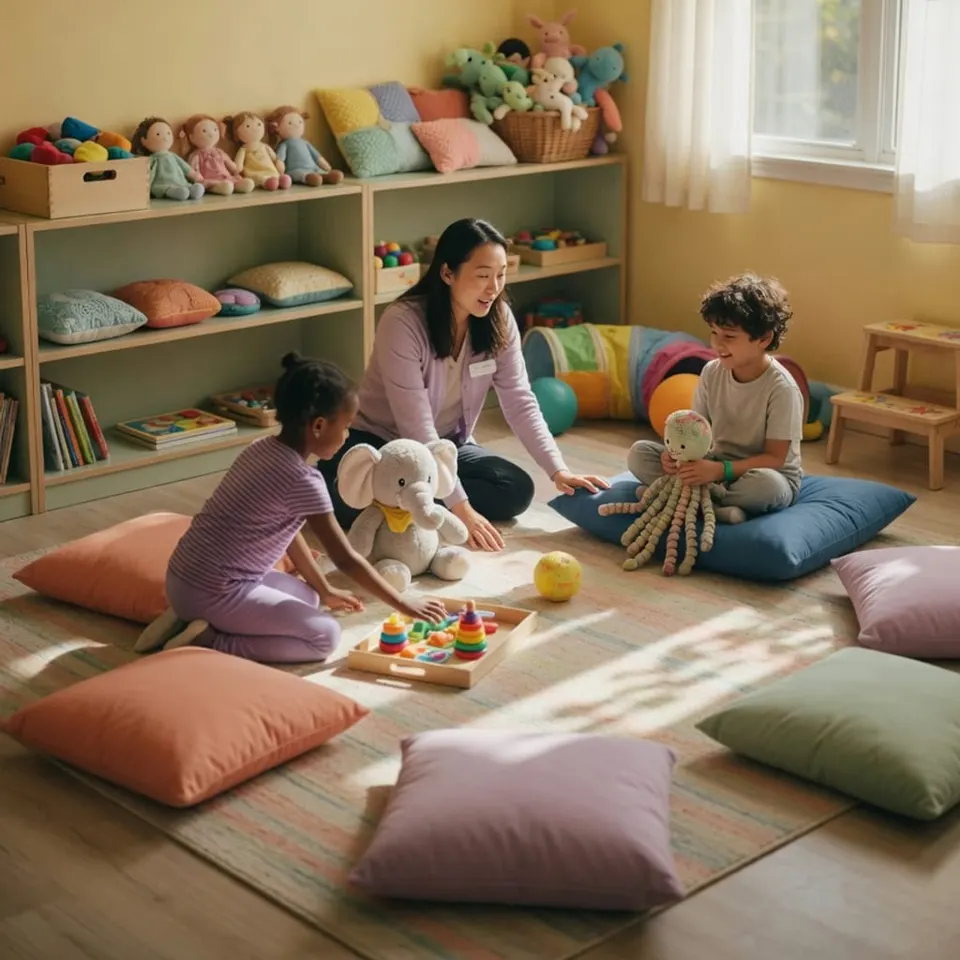
In short: ABA therapy focuses on teaching skills and reducing challenging behaviors using positive reinforcement, while speech therapy targets communication and language development. For a 3-year-old with autism, both therapies can be highly effective, often working together to build communication, social, and daily living skills. Start with ABA, a free matching service, can help you find a vetted BCBA-led provider that offers both or coordinates care.
Key takeaways
- ABA therapy uses behavior principles to teach a wide range of skills, including communication, social interaction, and daily routines, and is often covered by insurance and Medicaid.
- Speech therapy specifically targets language development, articulation, and alternative communication methods (like AAC) for children with speech delays.
- For a 3-year-old, ABA and speech therapy can be combined, with ABA reinforcing speech goals in natural settings.
- ABA is typically more intensive (15-40 hours per week) while speech therapy is often 1-2 sessions per week.
Understanding ABA Therapy and Speech Therapy
When your 3-year-old is diagnosed with autism or shows developmental delays, you may hear about two common therapies: Applied Behavior Analysis (ABA) and speech therapy. Both are evidence-based and can be life-changing, but they serve different purposes. ABA is a comprehensive approach that uses principles of behavior to increase desired behaviors and decrease challenging ones, while speech therapy focuses specifically on communication skills, including speaking, understanding, and using language. For many families, the question isn't which one is better, but how they can work together to support your child's unique needs.

🔗 Related reading: Aetna ABA Therapy Texas In-Network Providers Guide · Local ABA Therapy
What is ABA Therapy for a 3 Year Old?
Core Principles of ABA
ABA therapy is grounded in the science of learning and behavior. A Board Certified Behavior Analyst (BCBA) designs a personalized program that breaks down skills into small, teachable steps. For a 3-year-old, this might include learning to request a toy, follow simple instructions, or play alongside a peer. Positive reinforcement is used to encourage progress, and data is collected to track improvement.
What ABA Addresses
- Communication: Teaching functional language, such as asking for help or naming objects.
- Social skills: Taking turns, sharing, and initiating interactions.
- Daily living skills: Toileting, dressing, and feeding.
- Reducing challenging behaviors: Tantrums, aggression, or self-stimulatory behaviors that interfere with learning.
Intensity and Setting
ABA is often delivered in a one-on-one format, either at home, in a clinic, or in a preschool setting. For a 3-year-old, therapy can range from 15 to 40 hours per week, depending on need. Many insurance plans, including Medicaid, cover ABA when prescribed by a doctor.
What is Speech Therapy for a 3 Year Old?
Focus of Speech Therapy
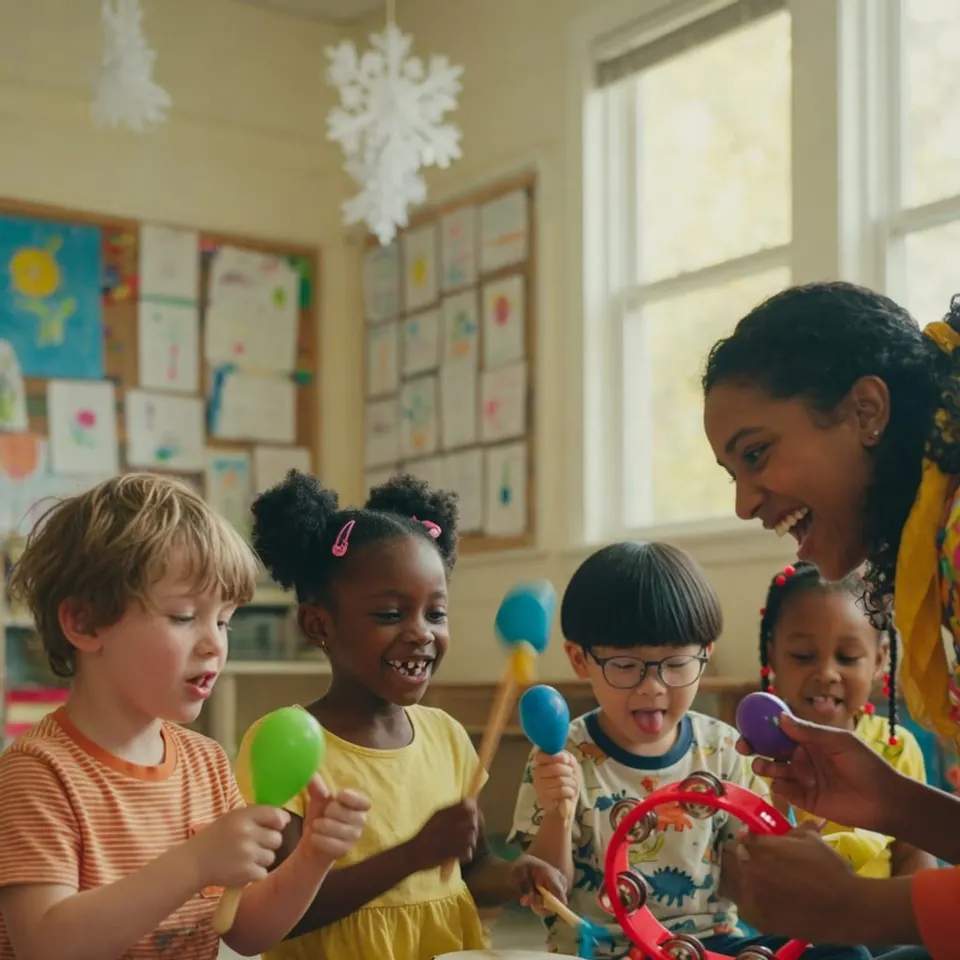
Speech-language pathologists (SLPs) specialize in communication disorders. For a 3-year-old, therapy might target articulation (pronouncing sounds), receptive language (understanding words), expressive language (using words), and social communication (pragmatics). SLPs also address feeding and swallowing issues if present.
Common Goals in Speech Therapy
- Building vocabulary: Learning new words and their meanings.
- Sentence formation: Putting words together into phrases.
- Following directions: Understanding and acting on instructions.
- Alternative communication: Using picture cards, sign language, or speech-generating devices if verbal speech is limited.
Typical Schedule
Speech therapy is usually less intensive than ABA, often 1-2 sessions per week lasting 30-60 minutes. It can be provided in a clinic, at home, or through early intervention programs. Many states offer free speech therapy through early intervention for children under 3, and for 3-year-olds, school districts may provide services through an Individualized Education Program (IEP).
🔗 Related reading: ABA Therapy Appeal: Steps After Insurance Denial · Nearby ABA Therapy
Key Differences Between ABA and Speech Therapy
Approach and Scope
ABA is a broad behavioral intervention that addresses multiple domains of development, while speech therapy is a specialized service for communication. ABA uses reinforcement and data-driven methods; speech therapy uses play-based and language stimulation techniques.
Intensity and Duration
ABA is typically more intensive (15-40 hours/week) because it aims to generalize skills across environments. Speech therapy is often 1-2 hours per week, focusing on specific communication deficits.
Who Provides the Therapy
ABA is led by a BCBA (master's level) and implemented by registered behavior technicians (RBTs). Speech therapy is provided by a licensed SLP (master's or doctoral level).
Insurance and Cost
Both therapies are frequently covered by private insurance and Medicaid, but ABA often requires a prior authorization and a diagnosis of autism. Speech therapy may be covered for a broader range of diagnoses. Costs without insurance can be high: ABA can cost $50-$150 per hour, speech therapy $100-$250 per session. Start with ABA can help you find providers that accept your insurance and offer free matching to BCBA-led teams.
How ABA and Speech Therapy Work Together
For many 3-year-olds, combining both therapies yields the best results. A BCBA and SLP can collaborate to ensure that communication goals are reinforced throughout the day. For example, if speech therapy teaches a child to say 'more,' the ABA therapist can practice this during snack time. Similarly, ABA can address behaviors that interfere with speech sessions, like refusal to participate. Some clinics offer integrated programs where both therapies are delivered in the same setting.

How to Choose the Right Therapy for Your 3 Year Old
Assess Your Child's Primary Needs
- If your child has significant behavior challenges (e.g., aggression, self-injury, or elopement) or needs help with daily living skills, ABA may be the priority.
- If your child's main difficulty is communication (e.g., not speaking, limited vocabulary, or trouble understanding), speech therapy may be the first step.
- If your child has both behavior and communication needs (common in autism), a combined approach is often recommended.
Consider the Setting and Schedule
ABA often requires a larger time commitment, which may be challenging for working families. Speech therapy is less time-intensive but may not address broader skill deficits. You can start with one and add the other later.
Talk to Your Pediatrician and a BCBA
A developmental pediatrician or a BCBA can help you evaluate your child's needs. Start with ABA offers a free matching service to connect you with vetted BCBA-led providers who can assess your child and recommend the right combination of therapies.
Common Mistakes to Avoid
- Thinking you have to choose one over the other: Many children thrive with both therapies working together.
- Delaying therapy while deciding: Early intervention is critical; start with whichever therapy is accessible and add the other as needed.
- Ignoring insurance coverage: Check with your insurance provider to understand benefits for ABA and speech therapy. Start with ABA can assist with finding in-network providers.
- Not asking about collaboration: Ensure your BCBA and SLP communicate regularly to align goals.
Getting Started with Start with ABA
If you're feeling overwhelmed, you're not alone. Start with ABA is a free service that matches families with vetted, BCBA-led ABA providers in your area. We understand that every child is unique, and we can help you find a provider who offers both ABA and speech therapy or coordinates with an SLP. Simply fill out our short form, and we'll connect you with options that fit your child's needs and your insurance plan, including Medicaid. Take the first step today to get the support your 3-year-old deserves.