Avoiding Eye Contact in 1-Year-Olds: What It Means and When to Seek Help
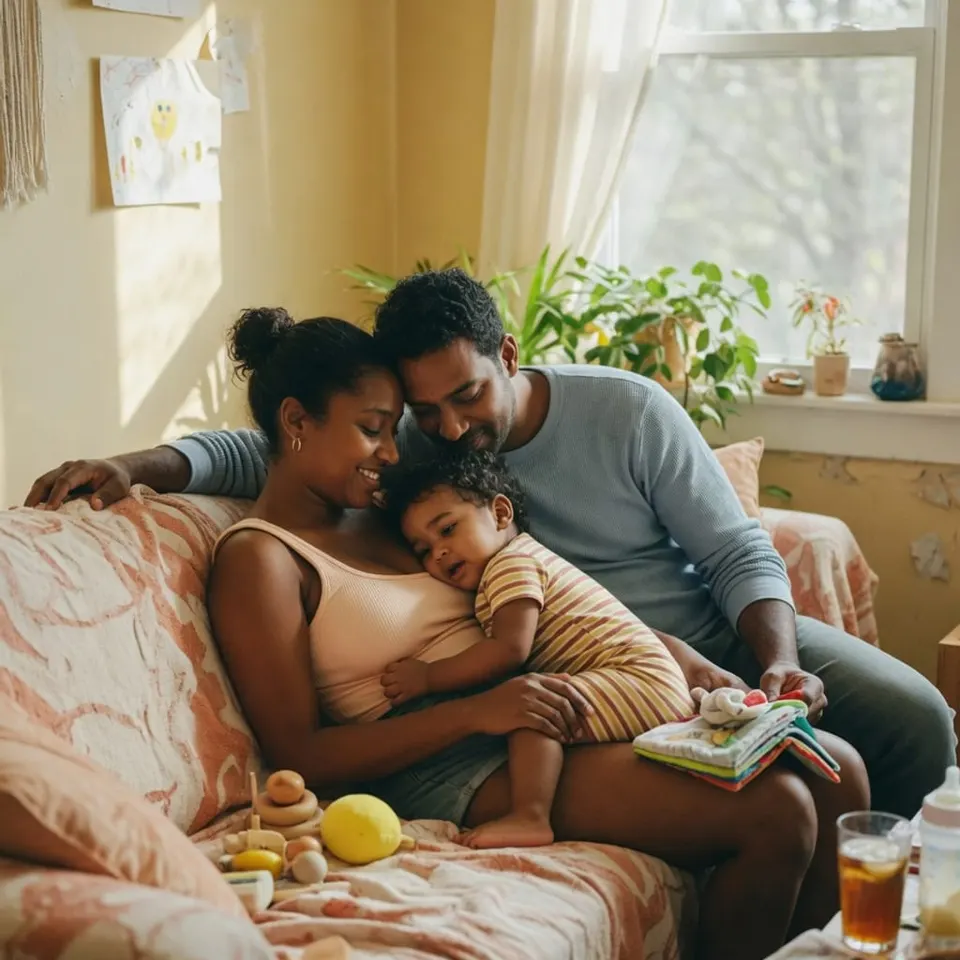
In short: Many 1-year-olds avoid eye contact as part of normal development, but persistent avoidance can be an early sign of autism. If you're concerned, a free service like Start with ABA can match you with a BCBA-led provider who can evaluate your child and recommend ABA therapy, often covered by insurance and Medicaid.
Key takeaways
- Eye contact avoidance is common in 1-year-olds and not always a red flag.
- Persistent lack of eye contact combined with other signs may warrant an autism screening.
- ABA therapy can help children develop social communication skills in a natural, positive way.
- Start with ABA offers free matching with vetted BCBA-led providers.
Find your child's ABA provider
About 60 seconds · free & confidential
- ✓ Vetted, BCBA-led providers
- ✓ In-home, center & telehealth
- ✓ No obligation, ever
Understanding Eye Contact in 1-Year-Olds
Eye contact is one of the many ways we connect with others, but for a 1-year-old, it's still a developing skill. At this age, babies are learning to coordinate their gaze with sounds, faces, and objects. Some children naturally make frequent eye contact, while others are more selective. It's important to remember that every child develops at their own pace, and avoiding eye contact does not automatically mean something is wrong.
In fact, many 1-year-olds go through phases where they look away more often, especially when they are focused on a toy or exploring their environment. This is a normal part of sensory and motor development. However, if you notice a consistent pattern of avoiding eye contact along with other behaviors, it may be worth discussing with your pediatrician or a specialist.
What Typical Eye Contact Looks Like at 12 Months
By their first birthday, most children will look at your face when you speak to them, follow your gaze to an object, and use eye contact to initiate or respond to social interactions. But the range of what's typical is wide. Some 1-year-olds may only make brief glances, while others will hold eye contact for several seconds. The key is whether the child is using eye contact as part of a two-way social exchange, not just the frequency of looking.

🔗 Related reading: When Play Looks Different: How ABA Can Help · Local ABA Therapy
When Eye Contact Avoidance Might Be a Sign of Autism
Persistent avoidance of eye contact is one of the early signs of autism spectrum disorder (ASD). However, it's rarely the only sign. Autism is diagnosed based on a cluster of characteristics in social communication and repetitive behaviors. For a 1-year-old, these might include:
- Limited or no response to their name
- Not pointing to show you something interesting
- Lack of imitation (e.g., waving bye-bye or clapping)
- Unusual reactions to sounds, lights, or textures
- Repetitive movements like hand flapping or rocking
If your child avoids eye contact and shows several of these other signs, it's a good idea to seek an evaluation. Early intervention can make a significant difference in outcomes, and ABA therapy is one of the most effective approaches for building social and communication skills.
The Difference Between Shyness and Autism-Related Avoidance
Shy children may avoid eye contact with strangers but make good eye contact with familiar people. Children on the autism spectrum often avoid eye contact even with parents, or they may look at your mouth or forehead instead. They might also use eye contact in a way that feels 'stiff' or 'scripted.' A qualified professional, such as a Board Certified Behavior Analyst (BCBA), can help differentiate between typical shyness and a developmental concern.
Looking for ABA therapy for your child? We match families with vetted, BCBA-led providers near you.
Get matched freeOther Possible Reasons for Avoiding Eye Contact
Not every child who avoids eye contact has autism. Other factors can play a role:
- Sensory sensitivity: Some children find direct eye contact overwhelming or painful due to sensory processing differences.
- Visual or hearing issues: If a child has trouble seeing or hearing, they may not look at faces as often.
- Culture and temperament: In some cultures, direct eye contact is less common, and some children are simply more reserved.
- Developmental delay: A general delay in social milestones can also affect eye contact.
Because the reasons vary, it's important to look at the whole picture rather than focusing on one behavior. A comprehensive evaluation by a BCBA or developmental pediatrician can provide clarity.

🔗 Related reading: ABA Therapy Cost Without Insurance Texas · Local ABA Therapy
The Role of ABA Therapy in Supporting Social Communication
Applied Behavior Analysis (ABA) therapy is a research-backed approach that helps children learn new skills, including social communication like eye contact. ABA is not about forcing a child to look at you; rather, it uses positive reinforcement to make eye contact a natural and rewarding part of interaction.
A BCBA will design a personalized plan that may include:
- Teaching the child to look at a speaker's face during preferred activities
- Using games and songs that naturally encourage joint attention
- Gradually increasing the duration of eye contact in comfortable settings
- Building other social skills like pointing, gesturing, and vocalizing
ABA therapy is most effective when started early, and you don't need a formal autism diagnosis to begin. Many families use ABA to support general developmental delays or social communication challenges.
How to Encourage Eye Contact in a Comfortable Way
If you want to encourage your 1-year-old to make more eye contact, the key is to make it fun and pressure-free. Here are some gentle strategies:
- Get on their level: Sit or lie down so your face is directly in their line of sight.
- Use animated expressions: Exaggerate your facial expressions and use a playful voice to draw their attention.
- Follow their lead: Join in with what they're already looking at, then slowly bring your face into view.
- Play peek-a-boo: This classic game naturally encourages brief eye contact.
- Hold objects near your eyes: When showing a toy, hold it close to your face so their gaze naturally moves upward.
Remember, the goal is connection, not compliance. If your child seems distressed by eye contact, back off and try again later. Forcing it can create negative associations.
What to Do If You're Concerned: Next Steps
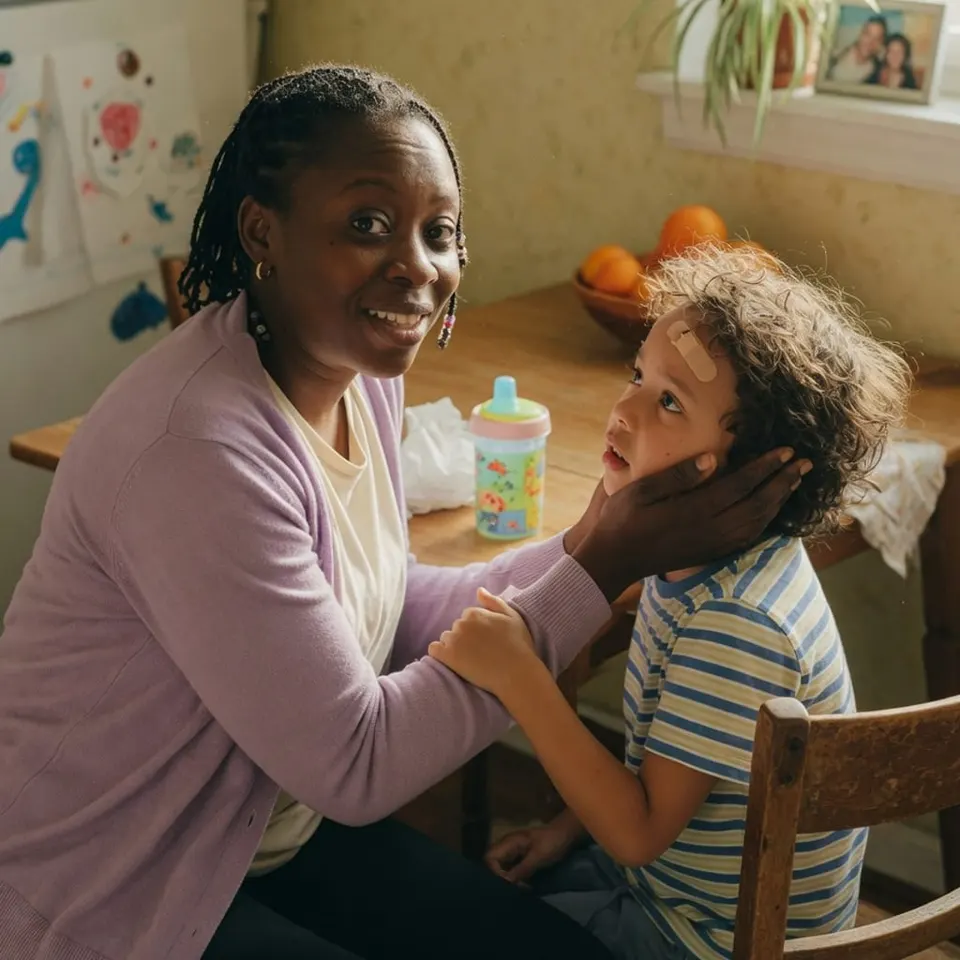
If your 1-year-old consistently avoids eye contact and you're worried, here's a practical plan:
- Track the behavior: Note when and how often your child avoids eye contact, and what other behaviors you see.
- Talk to your pediatrician: Share your observations and ask for a developmental screening. Many pediatricians use tools like the M-CHAT.
- Seek an evaluation: If screening suggests a concern, ask for a referral to a developmental pediatrician, child psychologist, or BCBA.
- Connect with a free matching service: Start with ABA can match you with vetted BCBA-led providers in your area who accept insurance and Medicaid.
You don't have to wait for a formal diagnosis to get support. Early intervention services, including ABA, can begin as soon as a need is identified.
Insurance and Medicaid Coverage for ABA Therapy
ABA therapy is widely covered by commercial insurance plans, including those offered through employers and the Affordable Care Act marketplace. Most states also require Medicaid to cover medically necessary ABA for children with autism. However, coverage can vary by plan and state. Start with ABA helps families navigate this by connecting them with providers who accept their specific insurance.
If you have Medicaid, many states offer ABA through their Early and Periodic Screening, Diagnostic and Treatment (EPSDT) benefit. Some states also have specific autism waivers. The best way to find out is to contact your insurance company or let Start with ABA assist you in finding a provider who can verify your benefits.
How Start with ABA Can Help You Find the Right Provider
Start with ABA is a free service that matches families with vetted, BCBA-led ABA therapy providers. We understand that every child is unique, and we take the time to understand your needs, location, and insurance. Our network includes providers who specialize in early intervention for toddlers, including those who are just beginning to show signs of social communication differences.
Once you fill out a short form, we'll connect you with up to three providers in your area. You can then interview them, ask about their approach to eye contact and social skills, and choose the best fit for your family. There's no cost to you, and we never share your information without permission.
If you're concerned about your 1-year-old's eye contact or any other developmental milestone, you don't have to navigate this alone. Start with ABA is here to help you find the support your child deserves.