Understanding and Supporting Eye Contact Avoidance in Autism

In short: Avoiding eye contact is common in autism and often stems from sensory sensitivities or social anxiety, not defiance. ABA therapy can help by teaching alternative communication and gradually building comfort, but only when goals are person-centered and respectful. Start with ABA is a free service that matches families with vetted BCBA-led providers who understand neurodiversity.
Key takeaways
- Avoiding eye contact is a natural autistic trait, not a behavior that needs to be 'fixed'.
- ABA therapy can address eye contact avoidance through gentle, choice-based strategies.
- Therapy goals should be set collaboratively with the individual and family.
- Insurance and Medicaid often cover ABA therapy for autism.
Find your child's ABA provider
About 60 seconds · free & confidential
- ✓ Vetted, BCBA-led providers
- ✓ In-home, center & telehealth
- ✓ No obligation, ever
What Does Avoiding Eye Contact Mean in Autism?
Many autistic individuals naturally avoid eye contact. This behavior is often misunderstood as rudeness or disinterest, but it usually has deeper roots in sensory processing and social communication differences. For someone with autism, direct eye contact can feel overwhelming, painful, or distracting. It is not a sign of disrespect but a way to regulate sensory input and focus on the conversation.
Understanding the Behavior
Eye contact avoidance in autism can vary widely. Some children may glance briefly then look away, while others avoid it entirely. It may be more pronounced in new or stressful situations. Recognizing that this is a common autistic trait helps parents and therapists approach it with empathy rather than correction.
Why Some Autistic Individuals Avoid Eye Contact
Research suggests several reasons: sensory hypersensitivity (eye contact feels physically uncomfortable), difficulty processing visual and auditory information simultaneously, or social anxiety. Some autistic people report that making eye contact makes it harder to listen or think. Understanding these reasons is key to respectful support.

🔗 Related reading: ABA Company Near Me: How to Find the Right Fit · Local ABA Therapy
Is Avoiding Eye Contact a Problem That Needs Therapy?
Not necessarily. Many autistic adults lead fulfilling lives without making eye contact. The goal of therapy should never be to force eye contact but to help the individual communicate effectively in ways that feel comfortable. Therapy becomes relevant when the person wants to improve social interactions or when avoidance interferes with learning or relationships.
Respecting Neurodiversity
Modern ABA therapy emphasizes neurodiversity-affirming practices. This means respecting that avoiding eye contact is a valid way of being. A good BCBA will work with the family to determine if eye contact goals are truly beneficial for the individual, or if alternative communication methods (like looking at a person's mouth or using a fidget) are more appropriate.
When Therapy May Be Helpful
Therapy may be helpful if the child or adult expresses a desire to make more eye contact in certain situations, or if avoidance leads to missed opportunities (e.g., not being able to follow a teacher's directions). In such cases, ABA can teach skills like brief eye contact, looking in the direction of a speaker, or using verbal cues to show attention.
Looking for ABA therapy for your child? We match families with vetted, BCBA-led providers near you.
Get matched freeHow ABA Therapy Addresses Eye Contact Avoidance
ABA therapy uses evidence-based techniques to build skills in a positive, supportive way. For eye contact, the focus is on gradual exposure and reinforcement, never punishment. A Board Certified Behavior Analyst (BCBA) designs a personalized plan.
The Role of a BCBA
A BCBA conducts a functional assessment to understand why the individual avoids eye contact. They then create goals that are meaningful and achievable. For example, the goal might be to briefly look at a communication partner's face during a preferred activity, not to maintain prolonged eye contact.
Natural Environment Teaching
Rather than drilling eye contact in a clinic, ABA often uses natural environment teaching (NET). This means practicing during everyday activities like playing a game or eating a snack. The therapist might pause and wait for a brief glance before continuing a fun activity, making the interaction rewarding.
Reinforcement and Choice
Positive reinforcement is central. If the individual makes eye contact even for a split second, they receive natural praise or access to a preferred item. Importantly, the individual always has choice. If they are uncomfortable, the therapist respects that and adjusts the approach. No one is forced to make eye contact.

🔗 Related reading: Toddler Not Responding to Name? Early Signs & Next Steps · Nearby ABA Therapy
What to Expect from ABA Therapy for Eye Contact
ABA therapy is not a quick fix. Progress is measured in small steps over weeks or months. Parents can expect regular updates and collaboration with the BCBA.
Assessment and Goal Setting
The first step is a comprehensive assessment. The BCBA will observe the individual in different settings and interview caregivers. Goals are written in measurable terms, such as 'The child will look toward a speaker's face within 5 seconds of being addressed, in 3 out of 5 opportunities, across two activities.'
Gradual Exposure and Desensitization
If eye contact is aversive, the therapist may start with activities that require looking at objects rather than faces, then gradually move to brief face glances. Desensitization is done at the individual's pace. Some may never become comfortable with direct eye contact, and that is okay.
Alternative Communication Strategies
ABA also teaches alternative ways to show engagement, such as nodding, using verbal acknowledgments, or orienting the body toward the speaker. These skills can be just as effective as eye contact in social interactions.
Costs and Insurance Coverage for ABA Therapy
ABA therapy can be expensive without coverage, but many insurance plans and state Medicaid programs cover it for autism. Costs vary by location and provider.
Typical Costs
Hourly rates for ABA therapy range from $50 to $150 per hour, depending on the provider and whether it's in-home or clinic-based. A comprehensive program may involve 10-40 hours per week. However, insurance often reduces out-of-pocket costs significantly.
Insurance and Medicaid Coverage
Most private insurance plans are required to cover ABA therapy for autism under mental health parity laws. Medicaid also covers ABA in many states, including early intervention programs. It is important to verify coverage with your specific plan. Start with ABA can help you find providers who accept your insurance.
How Start with ABA Helps with Matching
Start with ABA is a free service that connects families with vetted, BCBA-led ABA providers in your area. We consider your insurance, location, and therapy preferences to find the best fit. There is no cost to you, and we only work with providers who respect neurodiversity and use ethical practices.
Practical Tips for Parents and Caregivers
Supporting an autistic child who avoids eye contact starts at home. Here are some practical strategies.
Creating a Comfortable Environment
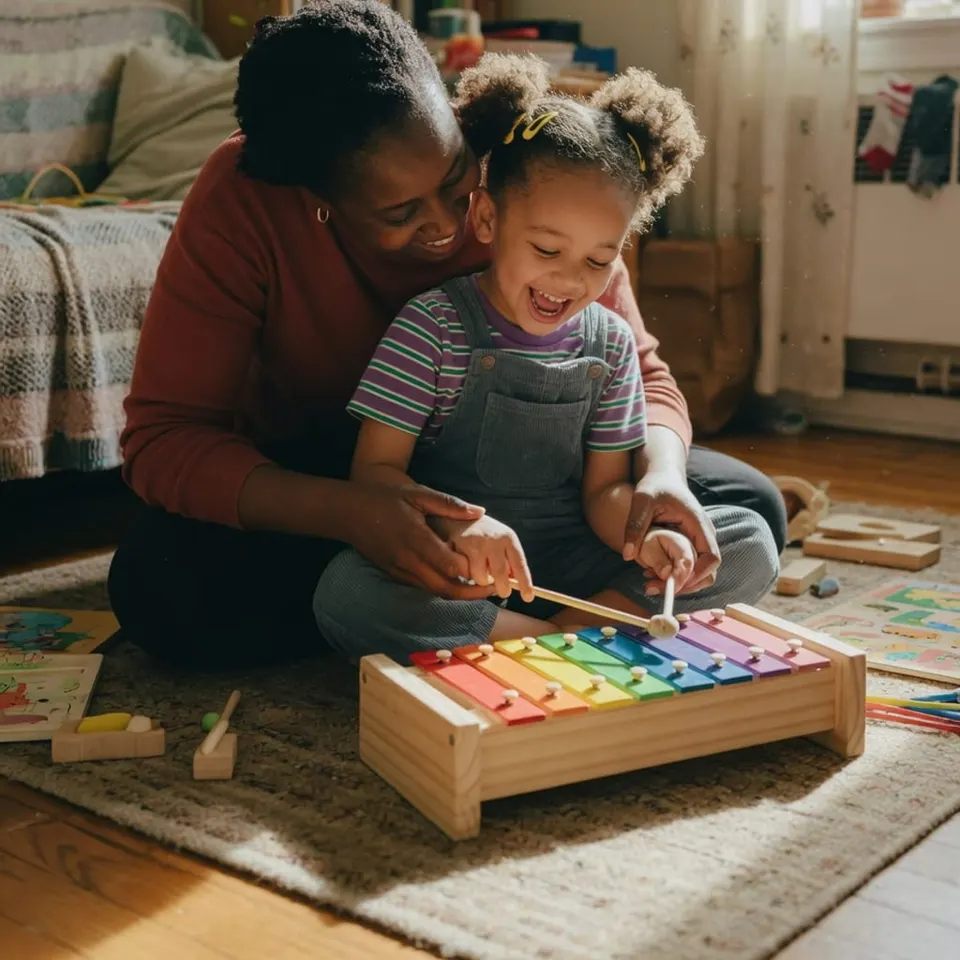
Reduce sensory overload by dimming lights, reducing noise, and using calm tones. When speaking to your child, sit beside them rather than face-to-face. This can make interaction less intense and more natural.
Modeling and Patience
Model the behavior you want to see without demanding it. For example, you can say 'I am looking at you now' and then look away. Over time, your child may feel safer to imitate. Never force eye contact; it can increase anxiety and damage trust.
Celebrating Small Wins
If your child makes brief eye contact during a favorite activity, acknowledge it with a smile or a simple 'I like how you looked at me.' Keep it low-pressure. The goal is connection, not compliance.
Common Mistakes to Avoid
Even well-meaning parents and therapists can make mistakes. Being aware of these can prevent harm.
Forcing Eye Contact
Physically turning a child's face or insisting on eye contact can be traumatic. It teaches the child that their comfort doesn't matter. Always respect their boundaries.
Ignoring Sensory Sensitivities
If a child covers their eyes or looks away, they may be overwhelmed. Punishing or ignoring this can lead to shutdowns or meltdowns. Address the underlying sensory need first.
Expecting Quick Fixes
Eye contact is a complex social skill. Progress may be slow, and some individuals may never make eye contact comfortably. Focus on overall communication and relationship quality instead.
Finding the Right ABA Provider
Choosing a provider who aligns with neurodiversity-affirming practices is crucial. Start with ABA makes this easier.
What to Look For
Look for a BCBA who uses positive reinforcement, respects the individual's preferences, and sets goals that are meaningful to the family. Avoid providers who use punishment or demand eye contact as a prerequisite for other activities.
How Start with ABA Connects You with Vetted Providers
Start with ABA screens providers to ensure they are licensed, BCBA-led, and committed to ethical, person-centered care. Simply fill out a short form, and we will match you with up to three providers that fit your needs. Our service is free and confidential.