Generalization in ABA: Making Skills Stick Everywhere
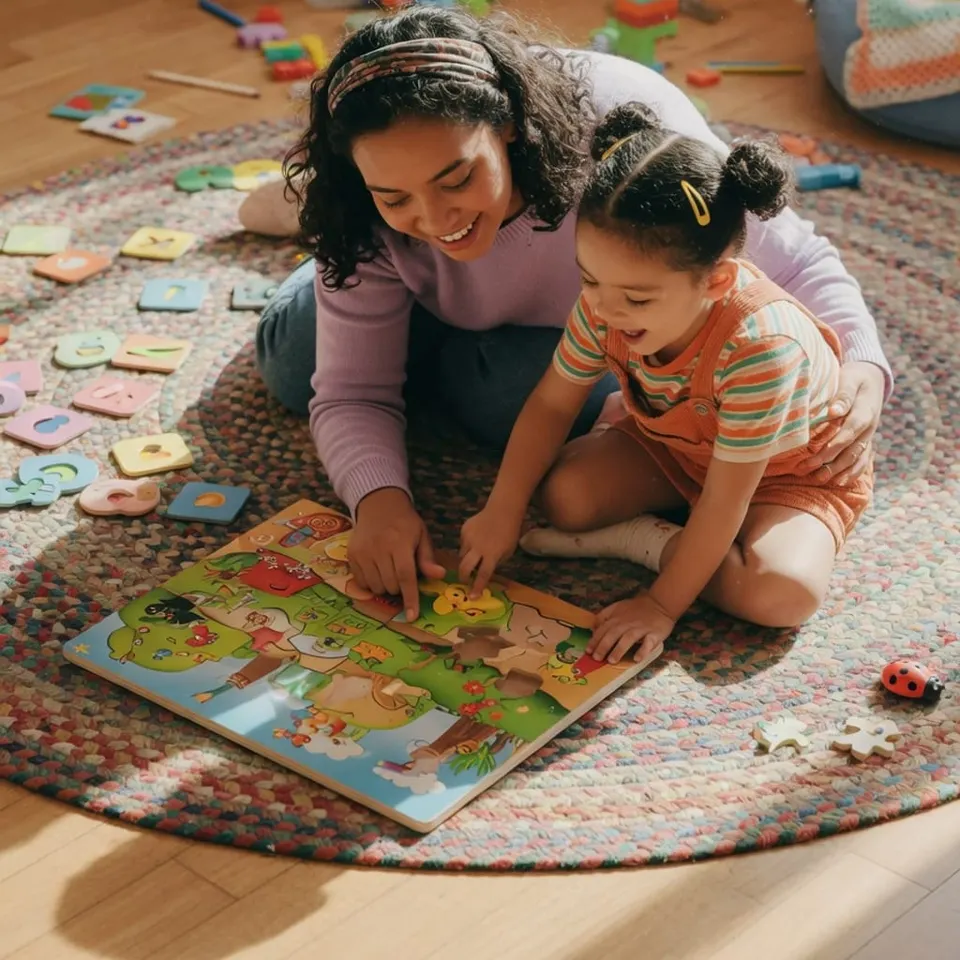
In short: Generalization in ABA is the process of transferring skills learned in therapy to real-world situations. It ensures your child can use behaviors like requesting, sharing, or following instructions across different people, places, and materials. You can support it by practicing skills in natural settings and involving teachers and caregivers.
Key takeaways
- Generalization is the ultimate goal of ABA therapy, making skills useful in everyday life.
- Skills taught in a clinic must be practiced at home, school, and in the community to stick.
- Parents and caregivers play a crucial role by providing varied practice opportunities.
- Strategies include using multiple examples, natural environments, and diverse instructors.
What Is Generalization in ABA?
Generalization in applied behavior analysis (ABA) means that a skill a child learns in one setting (like the clinic) is used in other settings (like home or the playground) with different people and materials. Without generalization, a child might only request a snack when prompted by one therapist in a specific room. True success in ABA therapy is when that skill happens naturally across environments.
For example, a child learns to say "help" when stuck with a toy during therapy. Generalization means they also say "help" at school when their shoelace is tangled, or at the park when they can't open a water bottle. It's the bridge between a controlled teaching environment and the real world.
As a free matching service, Start with ABA connects families with BCBA-led providers who design programs from day one to promote generalization. This ensures skills don't stay locked in the clinic.

🔗 Related reading: ABA Therapy & IEPs: A Parent's Guide · Find ABA Near Me
Why Generalization Matters for Your Child
ABA therapy is most valuable when skills improve your child's quality of life across all daily routines. A child who learns to wash hands independently is only helped if they do it at home, school, and after using a public restroom. Generalization makes therapy meaningful.
It also reduces prompt dependence. If your child only follows a direction when the therapist uses a specific tone or gesture, the skill isn't truly theirs. Generalization builds independence because the child learns to respond to natural cues in the environment.
Types of Generalization: Stimulus, Response, and Setting
BCBAs break generalization into three main types to ensure comprehensive planning.
Stimulus Generalization
This occurs when your child responds to similar but different cues. For example, a child learns to respond to the instruction "sit down" from their therapist. Stimulus generalization means they also respond when a teacher says "take your seat" or a parent says "have a seat." It involves varying the instruction, the setting, and the person giving it.
Response Generalization
Here the child uses the same function of a skill in a different way. If a child learns to request a swing by saying "swing please," response generalization allows them to also use a picture card, a gesture, or the phrase "I want to swing." The goal is flexible communication, not a rigid script.
Setting Generalization
This is about using a skill in different physical environments. A skill practiced only in a therapy room may not appear in the kitchen, classroom, or grocery store. BCBAs intentionally teach in multiple settings or simulate real-world settings in the clinic.

🔗 Related reading: Respite Care for Autistic Children: A Washington Family's Guide · Get ABA Therapy
How BCBAs Plan for Generalization
Effective ABA programs build generalization into every part of the plan, not as an afterthought. Here are common strategies used by BCBA-led providers.
Teaching Loosely
Instead of drilling the same instruction with the same tone, BCBAs vary the materials, locations, and instructors. This prevents the child from learning to respond only to a narrow set of conditions.
Using Natural Reinforcers
In the clinic, a therapist might give a goldfish cracker for saying "cracker." In generalization, the natural reinforcer is the cracker itself. The child learns that asking gets them something they want, not just a treat from the therapist.
Including Parents and Caregivers
Providers train parents to run practice sessions at home and in the community. This is critical because parents are the most consistent presence across settings. Start with ABA matches families with providers that emphasize caregiver training and home visits.
Programming Common Stimuli
The therapist brings in items from the child's everyday life: their favorite cup, their school backpack, or toys they use at home. This helps the skill bridge to the places where those items naturally belong.
Practical Strategies for Parents
You are your child's best generalization teacher. Here are ways you can help at home and in the community.
- Practice in real routines: Use meal times, bath time, and play to practice skills like requesting, sharing, or following steps.
- Involve siblings and relatives: Different people give your child chances to respond to varying cues and be reinforced by different people.
- Take the show on the road: Visit parks, stores, libraries, and friends' homes to practice skills in natural settings.
- Use natural consequences: If your child asks for a toy, let them play with it. The real reward is the toy itself, not a separate treat.
- Chart progress together: Keep a simple log of when and where your child uses a skill. Celebrate successes in new settings.
Remember, your free matching service with Start with ABA gives you access to providers who can create a written generalization plan tailored to your family's routines.
Common Mistakes to Avoid
Even well-meaning families can accidentally slow generalization. Here are pitfalls to watch for.
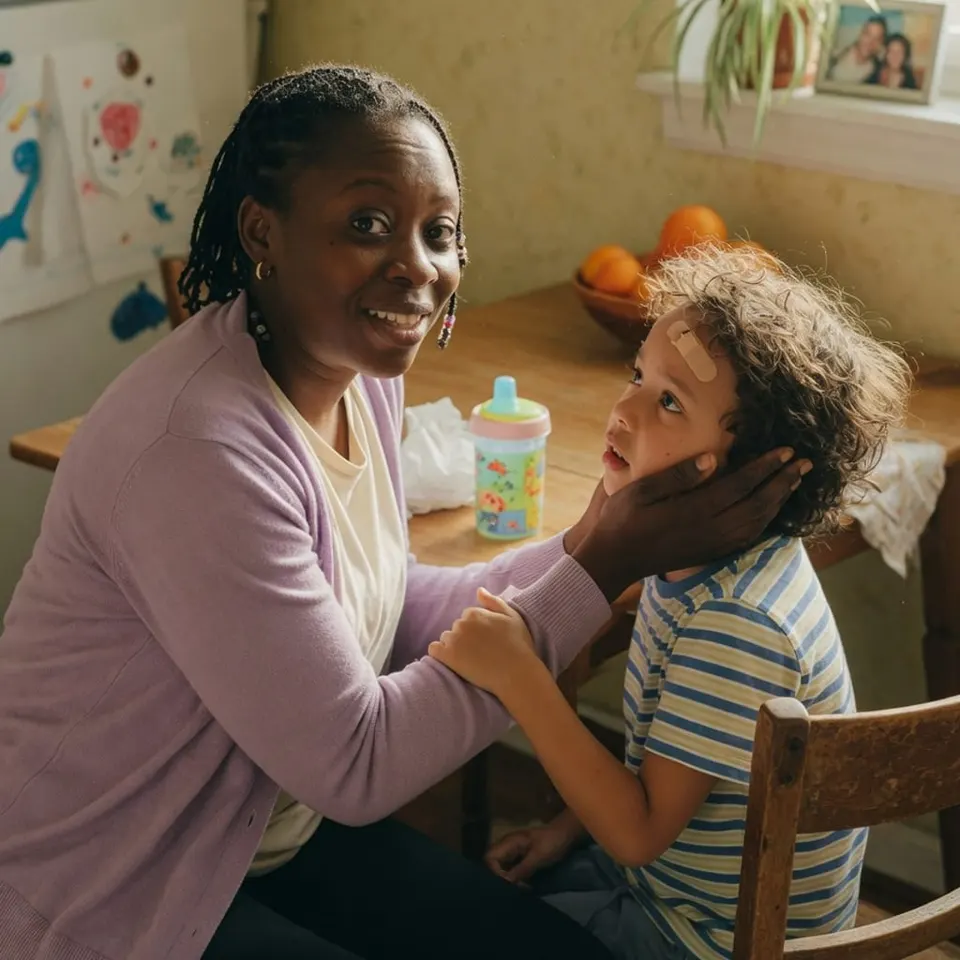
- Relying only on the therapist: If the child never practices with you, skills may stay narrow. Ask your BCBA for parent training sessions.
- Using the same prompt every time: If you always say "Say ball" and point, the child may only respond to that exact prompt. Vary your phrases and gestures.
- Reinforcing every correct response: In real life, we don't get candy for every good choice. Fade in natural social praise or intrinsic rewards.
- Changing too few things at once: If you change the setting, the person, and the material all at once, it can overwhelm the child. Change one element at a time and slowly increase difficulty.
- Assuming generalization just happens: It does not. Plan for it with your BCBA and practice deliberately.
Insurance and Costs: Making Generalization Accessible
Most private insurance plans and state Medicaid programs (like California's Medi-Cal or Texas' STAR Kids) cover ABA therapy, including generalization-focused sessions. Because generalization is essential to effective treatment, insurance typically covers parent training, school consultation, and community outings as part of a comprehensive ABA program.
Start with ABA helps you navigate insurance questions for free. We connect families to BCBA-led providers who accept major insurance and Medicaid. You can focus on your child's progress while we handle the matching.
Be sure to ask potential providers how they measure generalization and how often they involve parents. A good provider will include generalization goals in the treatment plan from the start.
How Start with ABA Can Help
Finding a provider who truly prioritizes generalization can feel overwhelming. That's why Start with ABA exists. We are a free matching service that helps you find BCBA-led therapy providers in your area who design programs for real-world success.
We verify that our network providers use evidence-based practices, including robust generalization strategies. You fill out a simple form, and we share your preferences with vetted providers. There is no cost to you-ever. Our goal is to make high-quality ABA accessible to every family that needs it.
Generalization is the key to making skills stick everywhere. Let us help you find the right team to support your child's journey.