Home vs Clinic ABA for a 3-Year-Old: Which Setting Is Right for Your Child?

In short: Both home and clinic ABA settings have unique benefits for a 3-year-old. Home ABA offers natural environment learning and parent involvement, while clinic ABA provides structured social opportunities and specialized equipment. The best choice depends on your child's needs, your family's schedule, and insurance coverage. Start with ABA can match you with vetted providers offering either setting.
Key takeaways
- Home ABA uses your child's natural environment, making skill generalization easier for toddlers.
- Clinic ABA offers structured routines, peer interaction, and access to specialized tools often unavailable at home.
- Insurance and Medicaid typically cover both settings; Start with ABA helps you find in-network providers.
- Parent involvement is higher in home ABA, which can accelerate progress but requires more family commitment.
Find your child's ABA provider
About 60 seconds · free & confidential
- ✓ Vetted, BCBA-led providers
- ✓ In-home, center & telehealth
- ✓ No obligation, ever
Understanding Your Options for ABA Therapy at Age 3
When your child is diagnosed with autism spectrum disorder (ASD) at age 3, you are likely exploring early intervention options. Applied Behavior Analysis (ABA) therapy is one of the most widely recommended approaches, and a key decision you will face is whether therapy should happen in your home or at a clinic. Each setting has distinct advantages, and what works best depends on your child's unique strengths, your family's daily life, and practical considerations like insurance coverage. This guide will walk you through the differences so you can make an informed choice.

🔗 Related reading: How to Verify an ABA Provider's Credentials in California · Local ABA Therapy
What Is Home-Based ABA Therapy?
Home-based ABA therapy takes place in your child's natural environment: your home and possibly community settings like parks or stores. A Board Certified Behavior Analyst (BCBA) designs the treatment plan, and a registered behavior technician (RBT) typically delivers the therapy during scheduled sessions. The BCBA supervises regularly and adjusts goals based on your child's progress.
Benefits of Home ABA for a 3-Year-Old
- Natural environment learning: Skills are taught where they will be used, such as requesting a snack in the kitchen or following a bedtime routine. This often leads to better generalization.
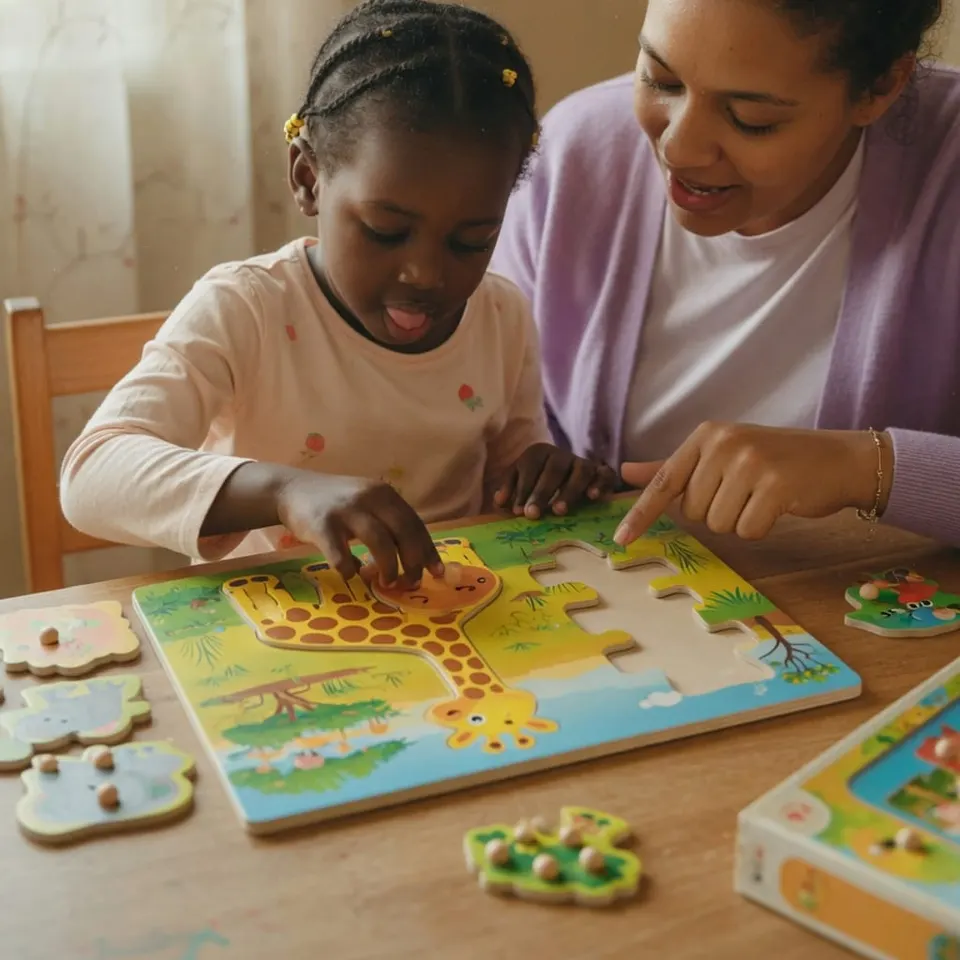
- Parent and caregiver involvement: You can observe sessions, learn strategies, and practice them throughout the day. This consistency can speed up skill acquisition.
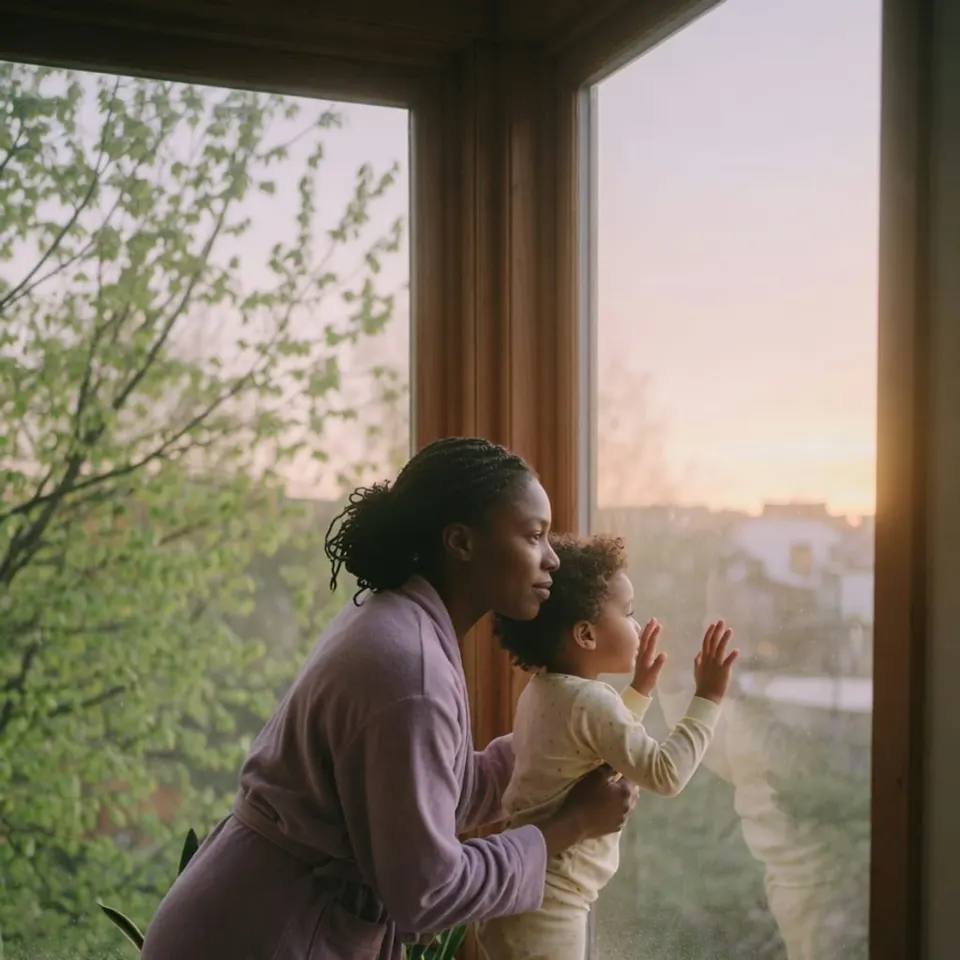
- Comfort and familiarity: Young children may feel less anxious in their own home, which can reduce challenging behaviors during therapy.
- Flexible scheduling: Sessions can be arranged around naps, meals, and family routines without travel time.
Potential Drawbacks of Home ABA
- Distractions: Siblings, pets, phone calls, or household chores can interrupt sessions. The therapist and family need to work together to minimize disruptions.
- Limited peer interaction: Unless you arrange playdates, your child may miss opportunities to practice social skills with other children.
- Space and equipment: Clinics often have specialized toys, sensory equipment, and structured learning areas that are hard to replicate at home.
- Family fatigue: Having a therapist in your home several hours a week can feel invasive and requires ongoing coordination.
Looking for ABA therapy for your child? We match families with vetted, BCBA-led providers near you.
Get matched freeWhat Is Clinic-Based ABA Therapy?
Clinic-based ABA therapy occurs in a dedicated facility designed for autism therapy. The environment is typically structured with multiple therapy rooms, sensory gyms, and group areas. A BCBA oversees the program, and RBTs work with children individually and in small groups.
Benefits of Clinic ABA for a 3-Year-Old
- Structured environment: Clinics are designed to minimize distractions and maximize learning. Consistent routines help children feel secure and understand expectations.
- Peer social opportunities: Your child can practice turn-taking, sharing, and communication with other children in a supervised setting. This is valuable for developing social skills.
- Access to specialized resources: Clinics often have a wide array of teaching materials, visual supports, and sensory integration tools that may not be available at home.
- Built-in breaks and transitions: Many clinics have designated areas for gross motor play, quiet time, and snack breaks, helping children learn to transition between activities.
Potential Drawbacks of Clinic ABA
- Travel and scheduling: You need to drive to and from the clinic, which can add time and stress to your day. Some clinics have waitlists or limited hours.
- Less parent involvement: While clinics often provide parent training, you may not observe daily sessions as easily. This can make it harder to carry over strategies at home.
- Generalization challenges: Skills learned in the clinic may not automatically transfer to home or community settings without explicit practice.
- Separation anxiety: Some 3-year-olds struggle with being away from parents in a new environment, at least initially.
🔗 Related reading: Moving to Another State: Transferring ABA Therapy · Local ABA Therapy
Key Differences at a Glance
To help you compare, here are the main factors that differ between home and clinic ABA for a 3-year-old.
Environment and Generalization
Home ABA teaches skills in the exact places they will be used, which can lead to faster generalization. Clinic ABA offers a controlled setting where skills are taught systematically, but extra effort is needed to transfer those skills to home and community.
Socialization Opportunities
Clinics provide built-in peer interaction, which is especially beneficial for children who need practice with social communication. Home ABA can include community outings or playgroups, but these require extra planning.
Parent Training and Involvement
Home ABA naturally involves parents more deeply. You can learn techniques by watching and then apply them throughout the day. Clinic ABA typically offers separate parent training sessions, which may be scheduled less frequently.
Cost and Insurance Coverage
Both settings are commonly covered by private insurance and Medicaid. Many states mandate ABA coverage for children with autism. However, reimbursement rates and session caps can vary. Some clinics charge a higher rate for facility-based services, but your out-of-pocket cost depends on your specific plan. Start with ABA can help you find providers that accept your insurance, including Medicaid plans.
Factors to Consider for Your 3-Year-Old
Every child with autism is different, but age 3 brings certain developmental considerations that can influence the best setting.
Your Child's Comfort with New Places and People
If your child experiences significant anxiety in unfamiliar settings, starting with home ABA may be less stressful. Over time, you can transition to clinic-based sessions as your child builds coping skills.
Your Family's Daily Schedule
Consider work commitments, other children's school schedules, and how much time you can dedicate to therapy. Home ABA offers more flexibility, but clinic ABA can provide a consistent break for parents while the child is in a structured program.
Your Child's Need for Peer Interaction
If your child shows interest in other children but struggles with social skills, a clinic setting with peer groups may accelerate progress. If your child is not yet ready for group settings, home ABA can focus on foundational skills first.
Availability of Local Providers
In some areas, home-based providers are more plentiful, while in others, clinics have shorter waitlists. A free matching service like Start with ABA can show you what is available in your area, including providers that offer both settings or a hybrid model.
How to Make the Decision
There is no single right answer. Many families start with one setting and later switch or combine both. Here are steps to help you decide.
- Talk to your child's BCBA: A qualified behavior analyst can assess your child's needs and recommend a setting based on their goals and learning style.
- Visit local clinics: Observe a session if possible. Ask about their approach to parent training and how they support generalization.
- Consider a trial period: Some providers allow you to try home-based therapy for a month and then reassess. Others offer a gradual transition into a clinic.
- Check your insurance benefits: Call your insurance company or use a service like Start with ABA to understand coverage for both settings. Ask about any prior authorization requirements.
- Think long-term: Your child's needs will change. A clinic may be more appropriate as they approach preschool age, while home therapy can be valuable for building routines and family skills early on.
How Start with ABA Can Help
Start with ABA is a free matching service that connects families with vetted, BCBA-led ABA providers. We understand that choosing between home and clinic therapy is a big decision. Our team can help you identify providers in your area that offer the setting you prefer, accept your insurance (including Medicaid), and have experience working with 3-year-olds. We do not charge families for our service, and we never recommend a provider without your input. Simply fill out a short form, and we will send you a personalized list of options to explore.
Final Thoughts
Whether you choose home-based or clinic-based ABA therapy for your 3-year-old, the most important factor is that the therapy is high-quality, consistent, and tailored to your child's needs. Both settings can produce meaningful progress when delivered by a skilled BCBA and a dedicated team. Trust your instincts, ask lots of questions, and remember that you can always adjust the plan as your child grows. With the right support, your child can build essential skills that will benefit them for years to come.