Not Interested in Other Kids for ABA? Here's How to Find Individualized Support

In short: If you are not interested in your child participating in ABA therapy with other kids, you can still find effective, individualized support. Many BCBA-led providers offer one-on-one sessions at home, in clinic, or in community settings. A free matching service like Start with ABA can help you find vetted providers who respect your preferences, and insurance (including Medicaid) often covers these private sessions.
Key takeaways
- You can absolutely request 1-on-1 ABA therapy without peer interaction; many providers offer this.
- Individualized sessions focus solely on your child's goals, often in a home or clinic setting.
- Insurance, including Medicaid, typically covers 1-on-1 ABA; always verify with the provider.
- A free matching service like Start with ABA can connect you with BCBA-led providers who honor your preferences.
Find your child's ABA provider
About 60 seconds · free & confidential
- ✓ Vetted, BCBA-led providers
- ✓ In-home, center & telehealth
- ✓ No obligation, ever
What Does 'Not Interested in Other Kids ABA' Mean?
When you search for ABA therapy for your child, you may encounter programs that include group sessions or peer interaction. But not every child thrives-or is ready-for that setting. Some children have high sensory needs, anxiety around peers, or simply learn best in a quiet, one-on-one environment. Saying 'not interested in other kids ABA' means you want therapy that is exclusively individualized, without other children present. This is a valid and common preference, and many providers are happy to accommodate it.
🔗 Related reading: Meltdowns in Public With Autistic Child: A Parent's Guide · Local ABA Therapy
Why Some Families Prefer One-on-One ABA
Every child is unique. Some reasons families choose individual sessions include:
- Sensory overload: Group settings can be overwhelming for children with autism.
- Focus on specific goals: One-on-one time allows the BCBA or RBT to concentrate entirely on your child's targets.
- Behavioral challenges: If your child engages in behaviors that could be disruptive or unsafe around peers, individual therapy is often recommended first.
- Medical or developmental needs: Some children require a quieter environment due to medical fragility or developmental delays.
- Parent preference: You know your child best. Trusting your instincts is key.
Looking for ABA therapy for your child? We match families with vetted, BCBA-led providers near you.
Get matched freeTypes of Individual ABA Therapy Settings
In-Home ABA
This is the most common setting for one-on-one therapy. A behavior technician comes to your home and works with your child in a familiar environment. This can be ideal for building routines, communication, and daily living skills.
In-Clinic Individual Sessions
Some clinics offer private rooms where your child works alone with a therapist. This can be helpful if you want a structured, distraction-free space without other children around.
Community-Based ABA
For older children or those working on social skills in natural settings, a therapist may accompany your child to a park, library, or store-just the two of them.

🔗 Related reading: Hand Flapping in 2-Year-Olds: Autism or Normal? · Nearby ABA Therapy
How to Find Providers Who Offer Individual-Only ABA
Not all ABA providers offer exclusively one-on-one therapy. Here's how to find the right fit:
- Ask directly: During your initial call, say, 'We are not interested in other kids being present during therapy. Can you accommodate that?'
- Check provider websites: Many list their therapy models. Look for words like 'individualized,' '1-on-1,' or 'home-based.'
- Use a free matching service: Start with ABA can connect you with BCBA-led providers who respect your preferences. You describe your needs once, and they find vetted options in your area.
- Verify insurance coverage: Most insurance plans, including Medicaid, cover 1-on-1 ABA. But confirm that the provider is in-network and that individual sessions are covered at the same rate as group sessions.
What to Expect in Individual ABA Sessions
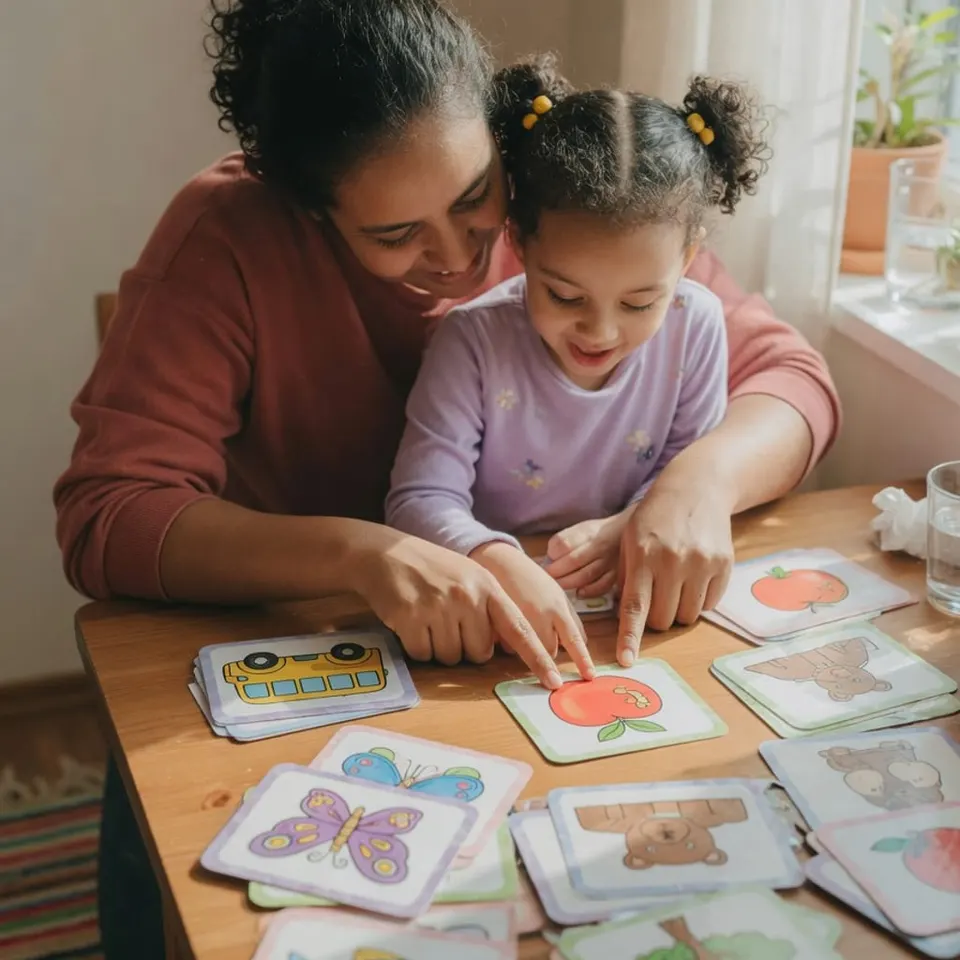
In a typical individual session, a BCBA or RBT will:
- Work on specific goals from your child's treatment plan.
- Use positive reinforcement to teach new skills.
- Collect data on your child's progress.
- Provide parent training so you can continue strategies between sessions.
Sessions usually last 2-4 hours, depending on your child's age and needs. The therapist will adjust the pace and activities based on your child's energy and attention.
Costs and Insurance for Individual ABA
The cost of ABA therapy varies widely. Without insurance, individual sessions can range from $60 to $150 per hour. However, most families use insurance. Here's what to know:
- Private insurance: Many plans cover ABA under the mental health or autism benefit. Check your plan's details.
- Medicaid: In many states, Medicaid covers ABA therapy for children under 21. Some states have specific programs like Early Intervention or waivers.
- No insurance? Some providers offer sliding scale fees or payment plans. Start with ABA can help you find options.
Common Mistakes to Avoid
- Assuming all providers offer group sessions: Many do, but many also offer individual-only. Always ask.
- Not being specific about your needs: If you want zero peer interaction, say so clearly. Some providers may offer 'small group' and think that's okay.
- Ignoring the BCBA's role: Even in 1-on-1 therapy, a BCBA supervises the plan. Make sure the provider is BCBA-led.
- Forgetting to check wait times: Individual-only providers may have shorter or longer waitlists. Ask upfront.
How Start with ABA Can Help
Start with ABA is a free service that matches families with vetted, BCBA-led ABA providers. You simply share your preferences-including that you want individual-only therapy-and they find options in your area. They also help with insurance verification. It's a no-pressure way to explore your choices without making dozens of calls yourself.
Final Thoughts
Your child's therapy should fit their needs, not the other way around. If you are not interested in other kids being part of your child's ABA, that is a perfectly valid choice. With the right provider and a clear plan, individual ABA can be highly effective. Use the resources available-including free matching services-to find a provider who truly listens.