Not Pointing at 18 Months? ABA Therapy Can Help

In short: Pointing is a key social-communication milestone that often emerges around 12-18 months. If your child is not pointing at 18 months, it could indicate a need for early intervention. ABA therapy, often covered by insurance and Medicaid, can help teach pointing and other pre-language skills through structured, play-based methods.
Key takeaways
- Pointing is a critical early communication skill that typically develops by 18 months.
- Delayed pointing can be an early sign of autism or other developmental differences.
- ABA therapy uses evidence-based techniques to teach pointing, joint attention, and language.
- Early intervention (before age 3) is most effective; ABA is often covered by insurance and Medicaid.
Find your child's ABA provider
About 60 seconds · free & confidential
- ✓ Vetted, BCBA-led providers
- ✓ In-home, center & telehealth
- ✓ No obligation, ever
Why Pointing Matters: A Foundation for Communication
Pointing is more than just a gesture; it is one of the first ways babies and toddlers share their interests and needs with others. Typically, children begin pointing between 12 and 18 months. This action-often accompanied by a look back at a caregiver-demonstrates joint attention, the ability to coordinate focus on an object with another person. Joint attention is a building block for later language, social interaction, and learning. When a child points to a toy, they are essentially saying, "Look at that!" without words. It is a social-communication milestone that parents and pediatricians watch for during routine checkups.
If your 18-month-old is not pointing, it does not automatically mean something is wrong. Some children develop this skill a few weeks late. But when pointing is absent at 18 months, pediatric guidelines often recommend further evaluation. The American Academy of Pediatrics includes pointing as one of the key milestones at 18 months. Lack of pointing can be an early red flag for autism spectrum disorder (ASD) or other developmental delays. That is why understanding this milestone and knowing what to do next is so important.
🔗 Related reading: Refusing to Wear Clothes: Autism ABA Solutions · Local ABA Therapy
What Does It Mean When an 18-Month-Old Isn't Pointing?
Possible Causes and Next Steps
There are several reasons a toddler may not point. Some children are simply later bloomers, while others may have hearing issues, motor delays, or a different communication style. However, when combined with other signs-such as limited eye contact, not responding to their name, or not using other gestures like waving-it may point to autism. A 2021 study in Pediatrics found that lack of pointing at 12 months was one of the strongest predictors of later autism diagnosis. But remember: every child is unique. The key is to act early rather than wait and see.
If you are concerned, talk to your pediatrician. They may refer you to early intervention services (federally funded programs for children under 3) or a developmental specialist. Many states offer free evaluations through their Early Intervention program (often called Part C of IDEA). You do not need a doctor's referral in most states; you can call directly. Meanwhile, you can also consider applied behavior analysis (ABA) therapy, which is one of the most researched approaches for teaching communication and social skills, including pointing.
Looking for ABA therapy for your child? We match families with vetted, BCBA-led providers near you.
Get matched freeHow ABA Therapy Helps Teach Pointing and Beyond
Evidence-Based Strategies for Building Joint Attention
ABA therapy uses principles of learning and motivation to teach new skills in small, manageable steps. For a child who is not pointing, a Board Certified Behavior Analyst (BCBA) designs a program that breaks down the skill. Here is how it works:
- Modeling and prompting: The therapist points to a desired object (like a bubble or toy) and says, "Look!" If the child does not imitate, the therapist gently guides their hand into a point shape and then rewards the attempt.
- Reinforcement: Every time the child points, they immediately get access to something fun-a favorite toy, tickles, or praise. Over time, the pointing becomes a natural way to request or share interest.
- Natural environment teaching: Sessions happen during play, meals, or outdoor time, not just at a table. This helps the child generalize pointing across settings and people.
- Pairing with language: As pointing improves, the therapist adds words like "look," "there," or "my turn." Eventually, pointing may evolve into spoken words or use of AAC devices if needed.
Research shows that early, intensive ABA can significantly improve joint attention, language, and IQ in young children with autism. A meta-analysis published in Psychiatry and Clinical Neurosciences (2020) found that ABA interventions produced moderate to large effects on social communication.
What ABA Sessions Look Like for a 18-Month-Old
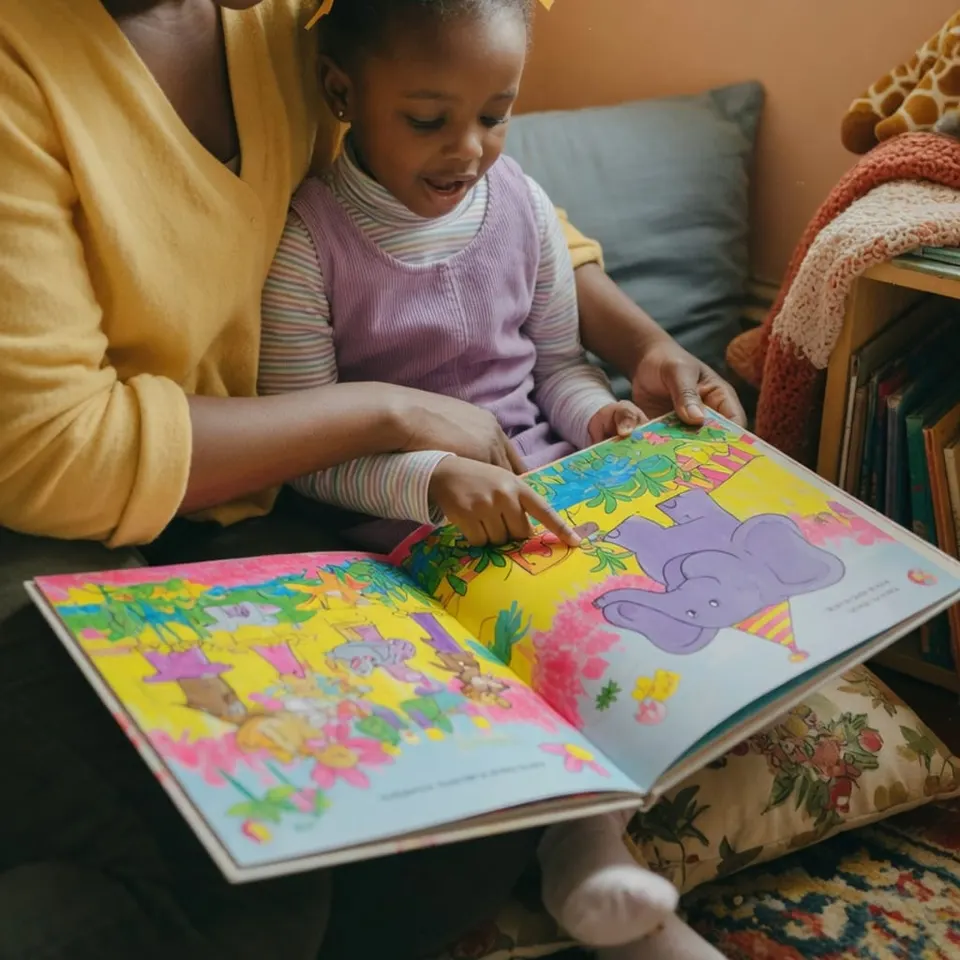
ABA for toddlers is play-based and child-led. A typical session might involve sitting on the floor with blocks, bubbles, or picture books. The therapist follows the child's interest and weaves in teaching moments. The goal is not to drill pointing for hours, but to create many fun opportunities for the child to point naturally. The BCBA will also coach parents on how to encourage pointing at home-for example, placing preferred toys out of reach so the child has to point to request them.
Parents are always included. You are the expert on your child, and ABA works best when family and therapists collaborate. Many providers offer parent training sessions via video or in person.
🔗 Related reading: North Carolina CDSA ABA Therapy Referral: Your Guide · Nearby ABA Therapy
Is ABA Therapy Covered by Insurance and Medicaid?
Yes, in most cases. ABA therapy for autism is considered a medically necessary treatment by most major health insurers and by state Medicaid programs. The Affordable Care Act requires many plans to cover autism-related services, including ABA. That said, coverage details vary by state and plan. For example, some plans have visit limits, require pre-authorization, or only cover certain provider types.
Medicaid often covers ABA for children with an autism diagnosis. Each state administers its own program; for instance, if you live in Texas, your child may be covered through Texas Medicaid or the Children's Health Insurance Program (CHIP). Some states also have waivers that fund ABA for children on the spectrum without a formal diagnosis yet. The best step is to ask your insurance company or contact a provider like those matched through Start with ABA-they can help verify your benefits.
Starting ABA early is cost-effective in the long run. Early intervention reduces the need for more intensive services later in life. Many families pay little to nothing out-of-pocket once insurance or Medicaid is applied.
Practical Tips for Parents: Encouraging Pointing at Home
Create Opportunities to Point
- Place desired items just out of reach: If your child wants a snack or a toy, put it on a shelf where they can see it but not grab it. When they reach, model pointing and say, "You want that! Point to it!"
- Use exciting objects or sounds: Bubbles, balloons, or a wind-up toy often trigger a child's desire to show or share. Blow bubbles and point at them, then pause and wait for your child to gesture.
- Narrate your own pointing: Throughout the day, point at interesting things-a bird, a dog, a colorful sign-and say, "Look! I see a bird!"
- Play with mirrors: Point at reflections of you and your child. It is a fun way to practice joint attention.
Common Mistakes to Avoid
- Forcing the child's hand: Physically making your child point can be aversive. Instead, gently guide or use hand-over-hand assistance very briefly, then immediately reward.
- Waiting too long: If you are worried, do not wait until the 2-year checkup. Early intervention before age 3 leads to the best outcomes.
- Ignoring other communication methods: If your child uses a different way to show interest-like handing you a toy or vocalizing-acknowledge those efforts too. You can build from there.

How to Get Started with ABA Therapy for Your Toddler
If you have noticed that your 18-month-old is not pointing, and you are considering ABA, the first step is to get a developmental evaluation. This can be arranged through your state's early intervention program or a private psychologist. A formal autism diagnosis is often required for insurance coverage of ABA, though some states cover ABA for children with developmental delays without a specific diagnosis.
Once you have a diagnosis or a recommendation from your pediatrician, you can start looking for a BCBA-led ABA provider. This is where Start with ABA can help. We are a free service that connects families with vetted, BCBA-led providers in your area. We understand how overwhelming it can be to research clinics, check insurance, and schedule visits. Let us do the legwork for you. Simply tell us a bit about your child and your location, and we will match you with providers who have experience with early communication skills. Our service is completely free-we are funded by the providers, so there is no cost or obligation to you.
Remember, not pointing at 18 months is not a crisis-it is a signal. With the right support, many children catch up and thrive. ABA therapy offers a structured, compassionate way to help your child build not only pointing but the foundation for all future communication. You are not alone in this journey.
Frequently Asked Questions About Not Pointing at 18 Months
(Note: The FAQs section below contains answers to common questions; these are also listed separately in the JSON structure above.)
If you still have questions, reach out to your pediatrician or contact Start with ABA for a free consultation and provider match.