What Is ABA Therapy? A Parent's Complete Guide to Understanding Applied Behavior Analysis
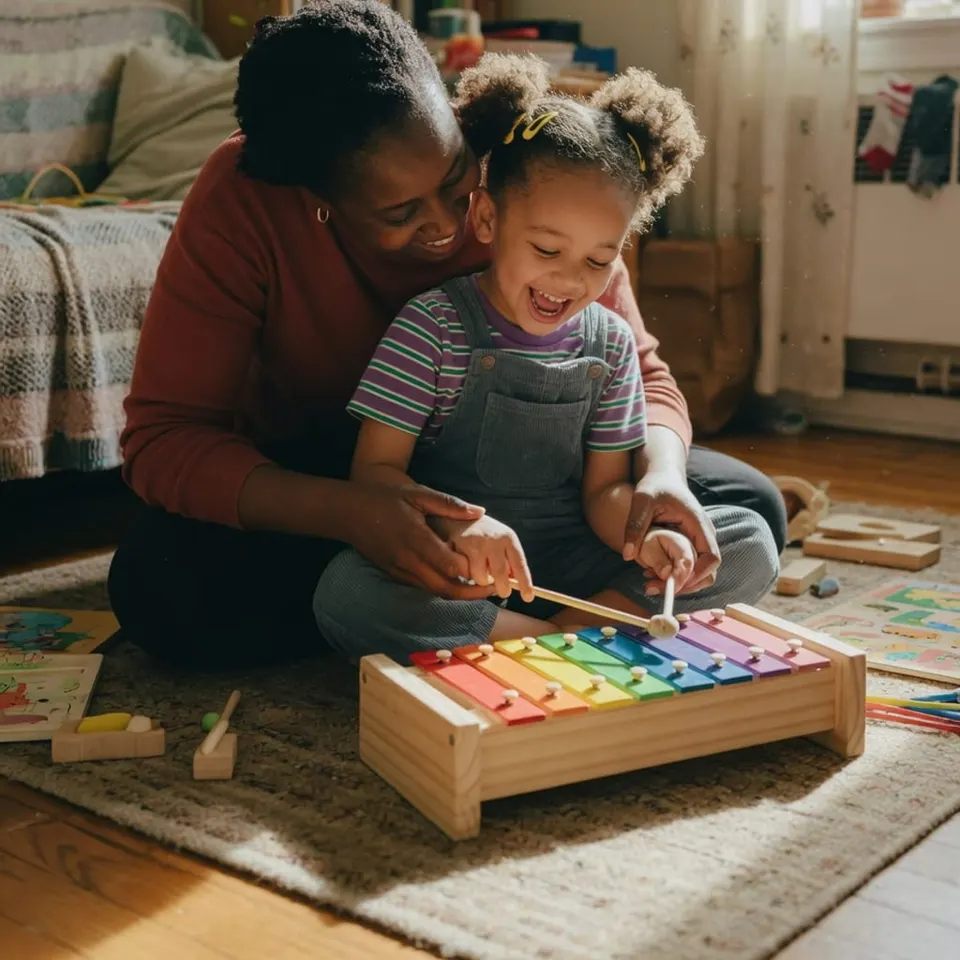
In short: ABA (Applied Behavior Analysis) therapy uses positive reinforcement to teach meaningful skills like communication, social interaction, and daily living, especially for autistic children. It is evidence-based, often covered by insurance and Medicaid, and should always be delivered by a qualified BCBA (Board Certified Behavior Analyst). Start with ABA can help you find a vetted, BCBA-led provider for free.
Key takeaways
- ABA therapy is the gold-standard, evidence-based treatment for autism, endorsed by the U.S. Surgeon General.
- It uses positive reinforcement to build skills, not to punish behaviors-modern ABA is child-led and play-based.
- A BCBA designs and supervises each program; parents are central partners in setting goals.
- ABA is typically covered by private insurance and state Medicaid programs under an autism mandate.
Find your child's ABA provider
About 60 seconds · free & confidential
- ✓ Vetted, BCBA-led providers
- ✓ In-home, center & telehealth
- ✓ No obligation, ever
What is ABA Therapy? A Complete Definition
Applied Behavior Analysis, or ABA therapy, is a scientific approach to understanding and changing behavior in a meaningful way. It focuses on increasing helpful behaviors-like communication, social skills, and self-care-while decreasing challenging ones that may interfere with learning or daily life. ABA uses positive reinforcement, which means rewarding desired behaviors to encourage them to happen again. With decades of research support, it is widely recognized as the gold-standard therapy for autistic children and those with other developmental disabilities. Importantly, modern ABA is child-centered, play-based, and built around each individual's strengths and interests.

🔗 Related reading: 2-Year-Old Not Pointing: When to Seek Help · Local ABA Therapy
Why is ABA Therapy Used? Who Does It Help?
Helping Autistic Children Build Crucial Life Skills
ABA is most commonly used to support autistic children ages 2 to 18, though it can help people of all ages. Its goals vary by child but often include improving communication (both verbal and non-verbal), developing social skills like turn-taking and making eye contact, increasing independence with tasks like dressing and toileting, and reducing behaviors that may be harmful or isolating, such as meltdowns or self-injury. ABA is not about 'fixing' autism-it is about teaching skills that lead to a higher quality of life.
Evidence-Based and Endorsed
The U.S. Surgeon General, the American Academy of Pediatrics, and the National Institute of Mental Health all endorse ABA as an effective, evidence-based intervention. Over 50 years of research shows that intensive, quality ABA therapy can lead to significant gains in cognitive, language, and adaptive skills.
Looking for ABA therapy for your child? We match families with vetted, BCBA-led providers near you.
Get matched freeHow Does ABA Therapy Work? The Core Principles Explained
ABA is based on the science of operant conditioning, but don't worry-you don't need a psychology degree to understand it. Here's how it works in practice.
Positive Reinforcement: The Heart of ABA
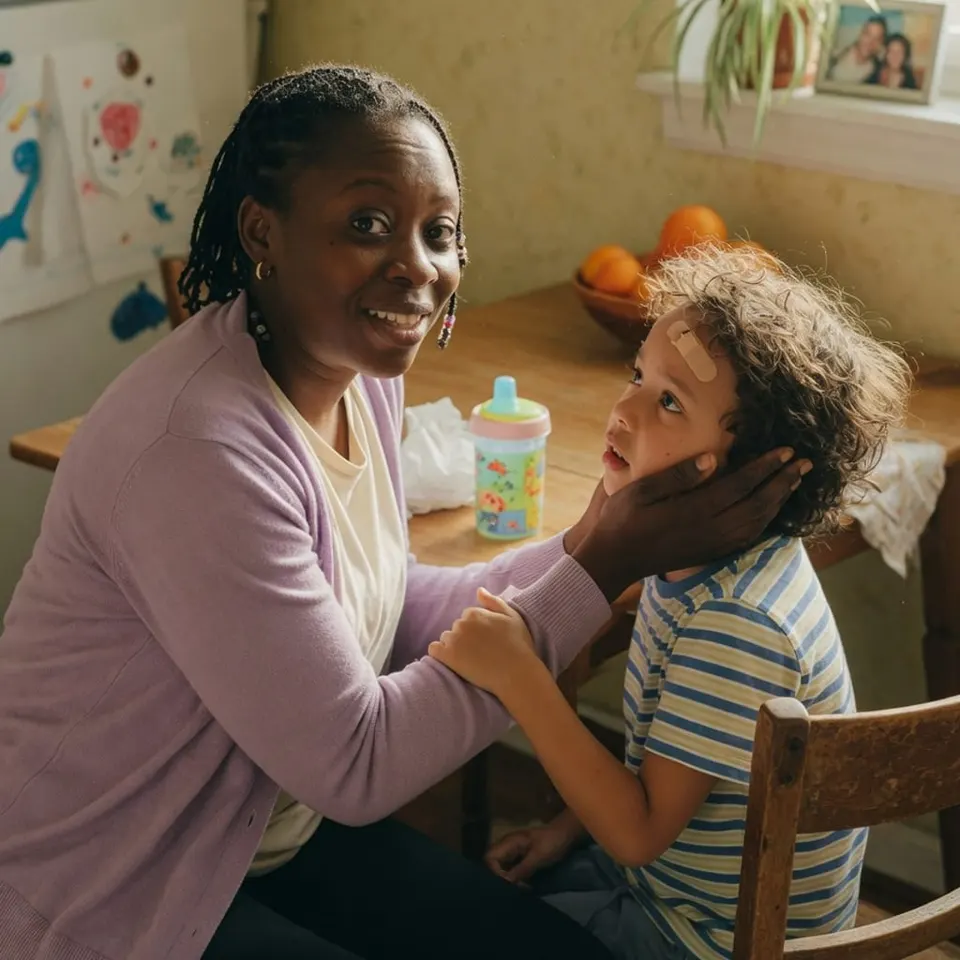
A therapist identifies a skill to teach-say, requesting a toy using a word or gesture. When the child makes that attempt, they immediately receive a reward that is meaningful to them: a toy, a hug, a favorite snack, or a few minutes of video time. Over time, the child learns that using that behavior leads to good things, so they repeat it. The rewards are always age-appropriate and chosen with the child's input.
Breaking Down Skills into Small Steps
Complex skills are broken into tiny, teachable steps using a method called task analysis. For example, brushing teeth might start with picking up the toothbrush, then turning on the water, then applying toothpaste, and so on. Each step is taught and reinforced before moving to the next.
Data-Driven and Flexible
Every session is tracked with data. A BCBA (Board Certified Behavior Analyst) reviews this data weekly to adjust the plan. If something isn't working, they change the approach-no two children have the same program. This constant adjustment makes ABA highly effective.
🔗 Related reading: Moving to Florida with an Autistic Child: Tips & Guide · Nearby ABA Therapy
What to Expect in an ABA Therapy Session
Where Does ABA Happen?
ABA can be provided in a clinic, at home, at school, or in community settings like parks or stores. Home-based ABA allows the therapist to work on skills in the child's natural environment. Clinic-based ABA often includes structured teaching areas and play rooms. Many children receive a mix of both.
A Typical Session Structure
A session usually lasts 2-4 hours and includes one-on-one time with a therapist (called a Registered Behavior Technician, or RBT) under the supervision of a BCBA. The day might include discrete trial training (short, structured teaching trials) mixed with natural environment teaching (learning through play). Data is taken throughout.
Sessions are Playful, Not Rigid
Contrary to outdated stereotypes, modern ABA looks a lot like play. Therapists follow the child's lead, embedding learning into fun activities. A session might involve building with blocks while practicing requesting, or playing a game to practice turn-taking. The goal is to make learning joyful and motivating.
How Much Does ABA Therapy Cost? Does Insurance Cover It?
Costs: Free Through Insurance for Many Families
ABA therapy can cost $50 to $150 per hour without insurance, and intensive programs run $15,000-$50,000 per year. However, 46 states have autism insurance mandates that require private insurers to cover ABA. Many families pay little to nothing out-of-pocket beyond their regular copays. Under the Affordable Care Act (ACA), ABA is considered an essential health benefit for many plans.
Medicaid and Start with ABA
State Medicaid programs also cover ABA for eligible children. In Ingham County, Michigan, for example, Medicaid waivers like the Autism Waiver provide funding for intensive therapy. Start with ABA is a free matching service that helps families find vetted, BCBA-led providers who accept their specific insurance, including Medicaid plans. We don't bill you-ever.
How to Check Your Coverage
To determine your coverage, call your insurance company and ask about 'applied behavior analysis' for an autism diagnosis. Have your member ID and diagnosis code (usually F84.0 for autism) ready. A BCBA can also help with this process. If you need assistance, Start with ABA can guide you or connect you with a provider who can verify your benefits.

How is a Qualified ABA Provider Different from a General Therapist?
ABA therapy must be led by a BCBA-a professional with a master's degree or higher, who has passed a national certification exam. Under them, RBTs (high school or bachelor's level) deliver the therapy day-to-day. Make sure your provider is BCBA-led, meaning a BCBA designs your child's program and supervises at least 5% of therapy hours each month. A general therapist without BCBA supervision is not providing ABA. Start with ABA only matches families with providers who meet these rigorous standards.
Mistakes Parents Often Make-and How to Avoid Them
- Choosing only clinic-based or only home-based therapy: Many children thrive with a combination. Talk to your BCBA about what mix works best for your child.
- Thinking ABA is only for autism 'behaviors': ABA builds positive skills-communication, social interaction, daily living-that benefit any child with developmental delays.
- Not understanding insurance terms: Terms like 'medical necessity' and 'prior authorization' can be confusing. Your BCBA or Start with ABA can help clarify.
- Waiting until a crisis to start: Early intervention before age 5 often leads to the best outcomes, but ABA is effective at any age.
- Overlooking parent training: Parents are key partners. Quality providers teach you strategies to support your child at home.
- Not verifying a provider's credentials: Always ask if the program is BCBA-led. Avoid unlicensed 'therapists' claiming to do ABA.
How to Get Started with ABA Therapy: Your Next Steps
If you feel overwhelmed, you're not alone. Here's a simple checklist:
- Get a formal autism diagnosis (if not already done). You'll need a report from a pediatrician, psychologist, or developmental pediatrician.
- Call your insurance to ask about ABA coverage. Or, let Start with ABA handle that step for you.
- Contact a few vetted, BCBA-led providers. Ask about their philosophy, wait times, and parent involvement.
- Visit a center or have a BCBA come to your home for an initial consultation and assessment.
- Once enrolled, attend parent training and stay in regular communication with your child's BCBA.
Start with ABA is a completely free matching service designed to connect you with trusted, BCBA-led providers near you. We do the research so you can focus on your family. Simply fill out our quick form, and we'll recommend providers that match your location, insurance, and goals. No cost, no obligation-just support.